
Symptoms of a Bad Driveshaft
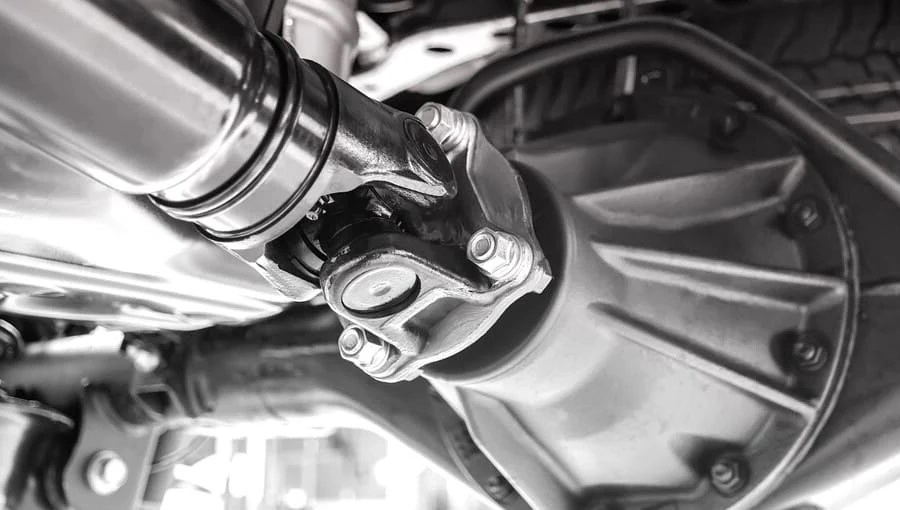
The drive shaft is a crucial part of the vehicle’s drivetrain system. It contributes greatly to the power transmission between the vehicle’s engine and wheels. It also enables speed adjustment and allows drivetrain flexibility. Essentially, the vehicle’s drive shaft contributes to the overall smooth and convenient driving experience.
Therefore, a faulty drive shaft can be problematic. It affects the handling and the overall driving of the vehicle. It can also lead to power loss, making you stranded. Furthermore, a lousy drivetrain shaft is a safety risk as it can lead to losing control over the vehicle.
It is crucial to know how to identify a faulty drivetrain as the effects are too dire. As such, this article discusses some scenarios that can point to a drivetrain problem.
Vibration at High Speeds
Excessive vibrations are one of the most noticeable symptoms of a failing drive shaft. This vibration is more noticeable when the vehicle is at a high speed. Common causes of this vibration include imbalanced or bent drive shaft, problems with the U-joint, loose or damaged fasteners, worn transmission, etc.
Clunking and Banging Noise during Gear Shifting
Clunking or banging noise is another indicator of a drive shaft issue. Problems with the center support bearing, misalignment, damaged slip yoke, bent drive shaft, and differential mount issues can all lead to clunking and banging noise. These noises are particularly more disturbing when shifting gears between drive and reverse. Sudden acceleration or deceleration can also make the noise noticeable.
Fluid Leaks from the Shaft Center
Finding out that there is fluid leakage in the drive shaft can be disturbing. It is especially problematic if the vehicle uses a two-piece drive shaft with a center bearing. The fluid leakage can indicate a problem with the center bearing.
A fluid leak can also occur if either of the transfer case, axle, or power steering components is faulty, leading to a problem with the drive shaft.
Uneven Tire Wears
Misalignment, worn U-joints, imbalance, axle, and center support bearing issues can all cause uneven tire wear. These problems are related to the driveshaft, and while tire wear is a problem, it is not the ultimate one. Uneven tire wear from a damaged drive shaft is merely a symptom, and the drive shaft can be damaging other things.
FAQS
Can I drive with a bad drive shaft?
No, driving a vehicle with a lousy drive shaft is not advisable. Driving with a bad drive shaft can cause further damage to other engine components. A bad drive shaft can affect the transmission system. It can also cause loss of control of the vehicle, leading to an accident.
Can I DIY shaft replacement?
No, you cannot replace a drive shaft as a DIY project. You need adequate knowledge and specialized tools to replace a drive shaft. Therefore, you should take a faulty drive shaft to experts for replacement.
Is it possible to misdiagnose driveshaft issues?
Yes, it is possible to misdiagnose a drive shaft issue. Some driveshaft symptoms are similar to symptoms from other problems like vibration, noise, and fluid leaks, which can be misunderstood for the symptoms of other car problems.
In fact, it is easy to confuse many drive shaft symptoms with many other suspension or drivetrain issues. Therefore, you should endeavor to get your vehicle to an auto mechanic for proper diagnosis instead of concluding based on some symptoms.

Luxury cars brands we service