
Brake Light Not Turning Off
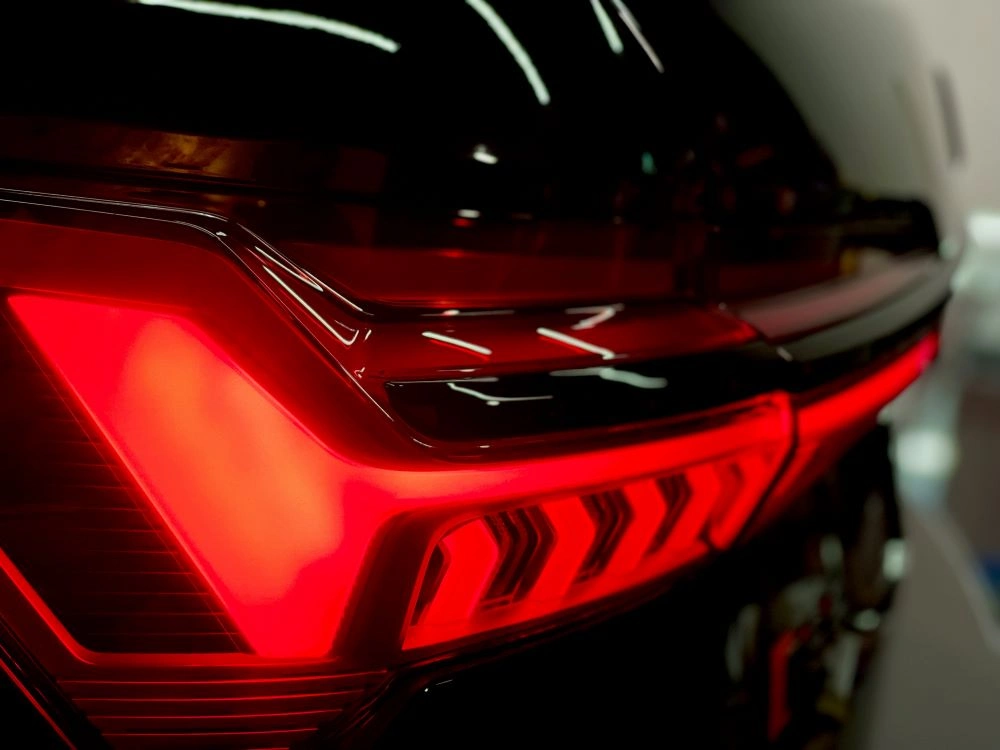
Your brake lights help you communicate while on the road. While other drivers around you cannot read your mind to know what you plan to do, your brake light can tell them enough. The traditional use of brake lights is to warn other drivers that you are slowing down or stopping.
Modern brake lights have gone beyond the ordinary with variations to increase their uses. The brightness can change based on deceleration intensity, warning other drivers how urgent your braking is. Some brake lights also have color variations, with different colors indicating variable situations.
With the brake light’s importance, not having one can be hazardous. However, do you know what can be more hazardous? A malfunctioning brake light. Brake light malfunction can cause confusion and lead to accidents. Therefore, you should know the possible causes for your brake light not turning off.
Faulty Brake Light Switch or Sensor
This is the most common cause of the brake light not turning off. A faulty brake light can give the wrong signal to other road users, leaving it on when it is not supposed to. An electrical damage and brake fluid leak can also cause a faulty brake light sensor. If you have a modern vehicle, look into the software to detect the problem of the brake light sensor.
You can solve this problem by fixing the switch. This switch is typically located near the top of the brake pedal arm and is activated when you press the brake pedal. A professional mechanic can help you get it done in minutes.
Stuck Brake Pedal
The brake pedal activates the brake light when it gets depressed. Therefore, the brake pedal getting stuck in a depressed position is problematic as it can leave the brake light on.
A mechanical obstruction within the brake pedal assembly can also depress the brake. For instance, a foreign object stuck between the pedal and the floor can prevent the brake pedal from returning to the full-release position.
When you suspect that a stuck brake pedal is responsible for your brake light not coming on, below are things to do.
- Check for obstructions and debris around the brake pedal;
- Inspect the hydraulic system and check for leak signs;
- Change and repair the component when you detect where the problem comes from.
Problems With Circuits
Faulty wiring or electrical connections can disrupt the proper functioning of your vehicle’s brake light system. Inspect the wiring harnesses, connectors, and terminals associated with the brake light circuit for any signs of damage, corrosion, or loose connections. Use a multimeter to test the continuity of the wiring and ensure that electricity is flowing properly through the circuit. Seek professional help to repair or replace any damaged or faulty wiring as needed.
Incompatible Bulb and Socket
Recently changed your brake or tail light and wondering why your brake light refuses to turn off? The answer might be in your recent repair. Putting a one-circuit bulb in a two-circuit socket, or vice versa, will present a problem. This is an uncommon problem, so people often overlook it. However, if you recently did repair work on your brake lights, check the socket and the bulb to ensure they are compatible.
Conclusion
A brake light that won’t turn off is a nuisance and a potential safety hazard on the road. It can also cause you to encounter regulatory problems. If you’re unsure about how to diagnose or fix the problem, don’t hesitate to seek assistance from our trusted car service.

Luxury cars brands we service