
What You Need to Know About Wheel Alignment and Balancing
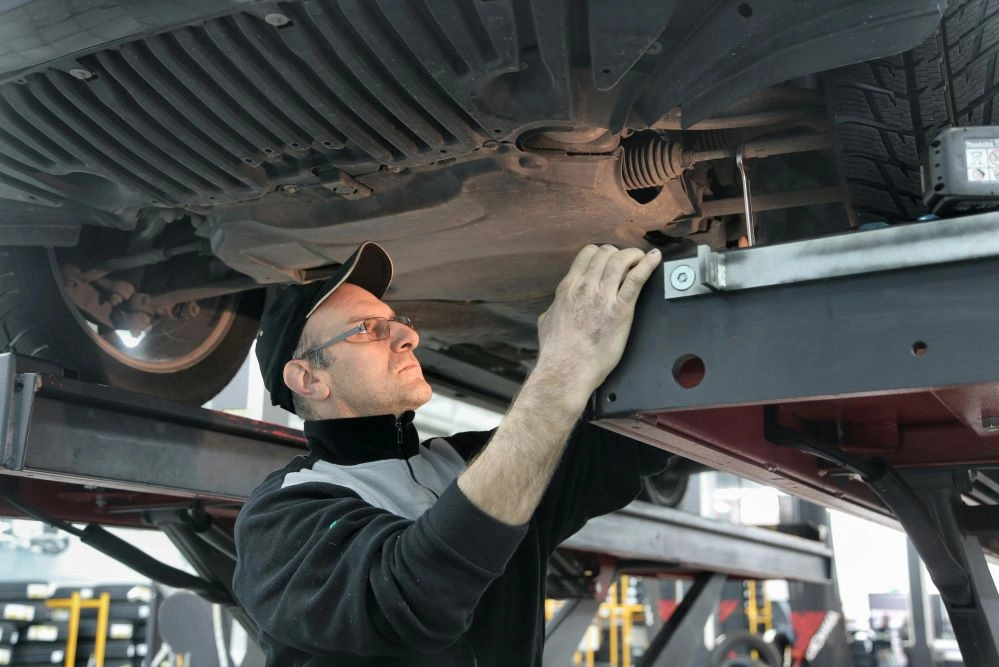
Have you ever wondered how your vehicle stays balanced on the road while steering in your desired direction? That is the power of alignment and balancing. From ensuring the right contact with the road to providing stability and braking efficiency, your vehicle’s alignment is one of your safety nets for a safe driving experience.
So, having detailed knowledge about alignment and balancing is not only imperative but essential.
What is Wheel Alignment?
Wheel alignment is the adjustment of vehicle suspension to the wheels. This enables the wheel to properly position itself and work well with the road. Vehicle alignment is usually checked at three angles-camber, toe, and caster.
Camber Alignment
Camber alignment refers to the vehicle’s alignment when viewed from the front of the car. It refers to how the vehicle’s wheels align when viewed vertically. It involves how the tire tilts inward or outward during motion. Therefore, camber alignment is essential for the tire to make proper contact with the road, ensuring the tire lasts and the vehicle has a good grip.
Toe Alignment
Toe alignment deals with how a vehicle’s alignment can be viewed from above. It refers to whether a vehicle’s tires point in or out. Toe alignment is also crucial for maintaining straight-line stability.
Caster Alignment
Caster alignment is the most technical and is even measured in degrees. It refers to how the vehicle is seen from the side. Caster alignment affects handling, steering, stability, and cornering.
How do you know if your car needs a wheel alignment?
Wheel alignment greatly impacts the vehicle. Unaligned wheels will affect the overall automobile’s performance. However, not knowing what to look out for can confuse you.
While knowing the symptoms does not cancel out a proper diagnosis by a trusted car repair expert, knowing what to look out for can help you easily identify problems with wheel alignment.
Below are some signs that your vehicle needs a wheel alignment:
Uneven Tire Wears
Tire checking is a routine vehicle maintenance that can help you detect wheel alignment problems. Check your tires at least once every three months. However, do not limit the inspection to checking for thread wear.
Instead, observe how the tire wears. An excessive imbalance of the outer or inner wear can be a sign of alignment problems.
Vehicle pulls to one side
This is one of the most obvious clues of a wheel alignment problem. Suppose you notice that your vehicle often pulls excessively to the left or right. Don’t hesitate to go to a car repair service for a more permanent solution than struggling with your steering wheel.
Steering wheel is off the center
Your steering pulling to one side can indicate a problem with wheel alignment. If the steering is straight, the car should also be moving in a straight line, except if you turn the steering.
Unusual vibration in the vehicle’s front
Suppose you notice an unusual vibration around the front of your vehicle. It might indicate that you need to have the car’s wheels realigned. Underlying wheel alignment issues like tire imbalance and uneven tire wear are responsible for this vibration. As the unbalanced tires rotate, the heavier sides generate vibrations that generally transfer to the steering wheel and vehicle.
Vehicle doesn’t track right
If you notice that your vehicle doesn’t track straight or keeps wandering while driving, it might indicate improper alignment. The inappropriate alignment creates a force that pulls your vehicle away as the tires try to correct themselves to maintain traction.
Why is wheel alignment important?
Wheel alignment not only impacts the wheel components but also spreads to the various aspects of the vehicle. As such, it’s crucial to pay attention to it for a safer driving experience. Below are noteworthy reason to ensure an efficient wheel alignment:
Tire Longevity
Proper wheel alignment makes your tire last long and reliable. When the wheel is properly aligned, your vehicle distributes weight across the tires evenly. As such, you do not have to worry about uneven wear and premature damage. With this, you can also save cost on tire purchases.
Safety
Proper wheel alignment is essential for your safety on the road. It enhances your vehicle’s responsiveness and stability. It can also improve the braking responsiveness, making it easy for you to stop immediately. This can help improve your safety, especially in critical moments.
Efficient performance
When your vehicle’s wheels are properly aligned, you get more comfortable and balanced driving. From good balance to the absence of vibration and tire noise, comparing a vehicle with bad wheel alignment with its opposite reveals just how much comfort wheel alignment is responsible for.
Reduced strain on vehicle parts
While good wheel alignment directly impacts the suspension components, tires, and steering system, its effect also influences the other parts of the vehicle. For instance, good wheel alignment will prevent your car from wearing down the shaft.
What is wheel balancing?
Wheel balancing is the process of evenly dispersing the wheels’ weight on each axle. As the car moves, the full circumference of the tire is in contact with the road to ensure consistent wearing across the width. Uneven wearing can pose a serious safety risk for passengers.
What is the difference between wheel alignment and wheel balancing?
Many people mistake wheel alignment for wheel balancing. They are not the same. Wheel balancing refers to the weight distribution of the tire and wheel, while wheel alignment refers to their balancing on the road. To further identify their differences, we will discuss three parameters:
- Focus: Wheel balancing focuses on weight distribution among the tire and wheels. However, wheel alignment adjusts the wheels’ angles to ensure proper orientation.
- Problem: Wheel balancing deals with uneven weight, while wheel alignment addresses tires not pointing in the right direction.
- Impact: Wheel balancing affects ride comfort. Whereas wheel alignment affects steering.
Why balance the wheels?
Wheel balancing is crucial for several reasons. It reduces rolling resistance, vibration, and stress on the vehicle. Don’t be surprised that it also enhances fuel efficiency. Balanced wheels also help ensure uniform tire weight distribution, prolonging the lifespan.
How do you know if your car needs a wheel balancing?
It can be dangerous to wait for your routine maintenance period to check wheel alignment problems. You should know what to look out for instead. Signs like the following can be a telltale:
- Vibration in the steering wheel, seats, and floorboard
- Uneven tire wear
- Wobbly wheels cause shaking
- Thumping noise from tires when driving at higher speeds

Luxury cars brands we service