
Bad Flywheel Symptoms
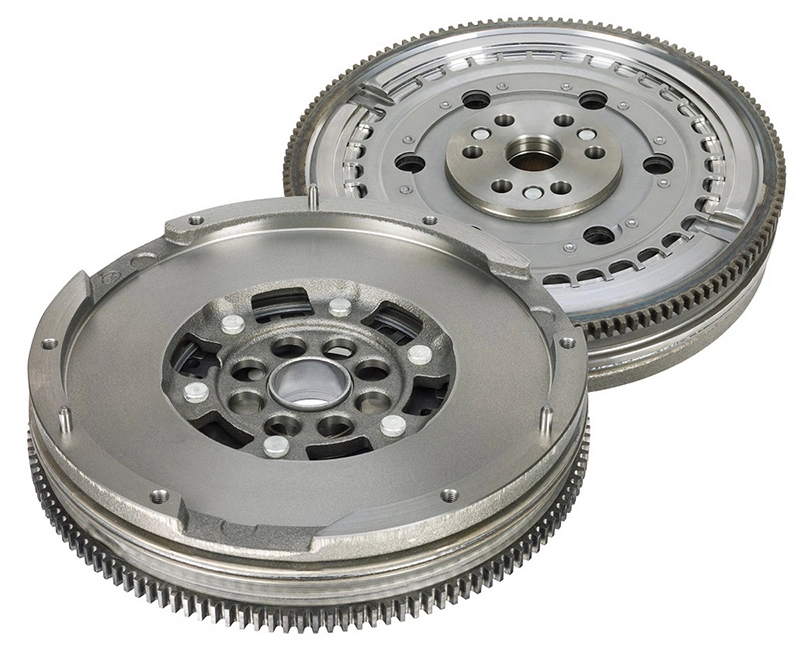
The flywheel is a commonly overlooked engine component. However, the lack of attention is a big mistake as the flywheel is an essential component. It is a helper, playing a crucial role in the operation and efficiency of various mechanical components in the engine.
The flywheel works closely with the clutch, indicating its effect on the engine’s transmission system. It is worth noting that the flywheel, like many other components, can develop faults. The early discovery of these faults is crucial to easier solving and preventing other problems.
Thankfully, this article enlightens you on the symptoms of a bad flywheel. It also discusses the preventive measures to take. Let's delve right into it.
Signs of a Faulty Flywheel
Knowing what to look for in a faulty flywheel can help with early detection and, consequently, faster fixing. Most of the symptoms we discuss do not exclusively point to flywheel problems. As such, it is imperative that you call the repair shop for a thorough assessment after noticing them. Do not attempt to fix your vehicle yourself without adequate knowledge.
Vibration or Shuddering
If you notice a vibration or shuddering during acceleration or deceleration, it might indicate a problem with the engine’s flywheel. You can feel a vibration through the engine’s chassis when the flywheel is not providing a smooth operation surface for transmission.
Engine Misfire or Stalling
A faulty flywheel will generally affect the operation of the transmission and engine. Engine stalling, hesitation, and misfires are all pointers to an inefficient engine or transmission system. This issue is more evident during acceleration or deceleration.
Slipping Clutch
Clutch slippage is a significant sign of a faulty clutch. However, investigating a slipping clutch further can point to a flywheel problem. The flywheel provides a steady and smooth surface for clutch engagement. The clutch will not fully engage with a faulty or damaged flywheel, resulting in slipping.
Visible Damage
Sometimes, visually inspecting the flywheel helps with noticing any physical damage. Depending on the vehicle’s type or design, you may need to remove the transmission to assess the flywheel.
Some vehicle designs allow you to check the flywheel through the inspection cover. You need to remove the torque converter cover when checking the flywheel of an automatic transmission vehicle.
Clean the flywheel with a wire brush or degreaser to enable you to see it well. Carefully examine the surface for cracks, chips, breaks, warping, missing teeth, or heat spots. You can also use a dial radiator to check and measure the runout on the flywheel.
Importance of the Flywheel
The flywheel is a crucial part of many mechanical components, helping the engine’s overall functionality. Here are some functions of the flywheel that make it essential to the vehicle's engine:
Energy Storage
One of the flywheel’s primary functions is energy storage. It helps ensure the continuous and effective rotation of the crankshaft by the kinetic energy generated by the Powerstroke and releasing it during the compression or exhaust stroke.
The efficient storage and release of power at suitable intervals also help ensure smooth power delivery between the engine and transmission system. The stable and consistent rotation of the crankshaft reduces fluctuations in power and torque.
Reducing Engine Vibrations
The flywheel stores and distributes rotational energy at a consistent speed. This helps to stabilize the engine, reducing or totally preventing jerky and uneven movements. The engine’s vibration then gets absorbed, contributing to a smooth and convenient car ride.
Assisting in Engine Starting
The flywheel helps power up the crankshaft during a vehicle’s starting process. It helps overcome the resistance of stationary engine components and makes engine powering easier.
Supporting the Clutch Operation
The flywheel is an essential part of the clutch operation. Working in tandem with the clutch and transmission system, the flywheel is a crucial component of a manual transmission vehicle’s clutch system. It enables a seamless transition between gears and provides a surface for the clutch to engage.
How to Prevent Flywheel Damage
With the importance of the flywheel so dire, you shouldn't wait for it to get damaged before taking the necessary actions. As such, preventive maintenance can help you prevent sudden breakdowns and improve the functionality of other engine components.
Here are some practices that can help your flywheel last longer:
- Inspect the flywheel regularly for signs of damage, wear, and cracks. Focus on the condition of the clutch assembly and the flywheel bolts and surfaces.
- Follow the manufacturer’s recommended maintenance schedule for your vehicle to prevent generative problems.
- Adopt healthy clutch practices to prevent the flywheel from wearing out prematurely.
- Avoid overloading the vehicle beyond the recommended capacity to prevent the flywheel being strained.
- Maintain a balanced drivetrain to reduce vibrations and flywheel stress.
- Use high-quality parts that adhere to the manufacturer’s recommendation when fixing or changing the flywheel.
- Do not crank your engine starter motor excessively when starting the engine. Also, only release the engine’s starter when you are sure the engine is fully engaged.
- Ensure the flywheel bolts are correctly tightened to the manufacturer’s recommendation.
- Properly lubricate all moving parts to avoid friction, heat generation, and wear.
Conclusion
A faulty flywheel is a catalyst for terrible engine performance and further damage to the car’s engine. As such, you must pay adequate attention to your flywheel. You can start by adopting practices that will make your flywheel last long.
Look out for signs of a damaged flywheel as explained in this article. Early detection of flywheel problems can save you a lot of headaches. Do not drag it out after confirming the issue. Take your vehicle to the repair shop immediately to have experts solve it for you.

Luxury cars brands we service