
How to Remove Paint Protection Film (PPF)
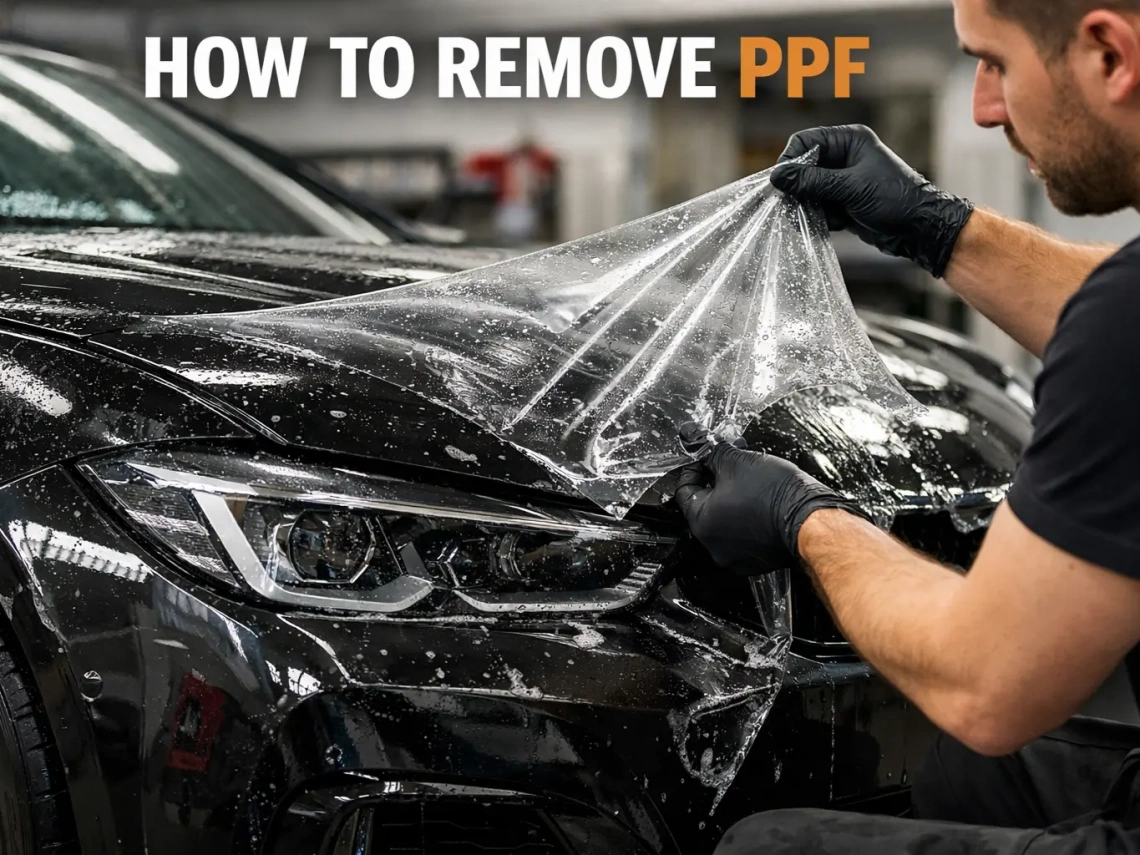
PPF paint protection film is applied to protect a car’s paint from chips, scratches, and everyday wear. But no film lasts forever. With time, exposure to heat and sunlight can cause paint protection film to yellow, crack, or lift at the edges - and at that point, removal becomes the smarter option.
If you’re looking for how to remove PPF from car without harming the paint, this article walks you through the process. We cover the tools you’ll need, the correct steps, possible risks, typical costs, and the most common questions drivers ask before starting.
Tools Required for PPF Removal
To efficiently remove paint protection film and avoid damaging, car owners don’t need specialized equipment - only a few proven tools. A steamer or heat gun is essential to warm the film evenly and reduce resistance during the PPF removal process; steam is easier to control and safer for first-time attempts. Plastic razor blades are used to lift an edge or corner of the film without contacting the car paint surface - metal blades should always be avoided.
When professionals remove clear bra, the protection film itself is rarely the hard part. The challenge usually shows up afterward, when the surface doesn’t feel completely clean despite looking fine. This is where patience matters more than force. Letting the remaining film glue relax before wiping keeps the paint from being worked too aggressively and helps maintain an even finish.
For anyone without much hands-on experience, simpler tools make sense. A basic hair dryer and a mild citrus cleaner slow the process down, but they also give more time to react and adjust, which is often exactly what beginners need.
What Is Paint Protection Film and Why It Needs Removal
Paint Protection Film is meant to take the abuse, so your car paint doesn’t have to. The film takes on the small impacts of daily driving first - gravel, light scuffs, constant road contact - and after a while, subtle changes in the surface start to show. The film loses its clarity, fine cracks appear, and edges no longer sit as tightly as they should - a common sight on cars that see a lot of sun and heat.
At that stage, the protection film becomes more of a visual and maintenance issue than a layer of protection. Keeping it on often causes uneven wear and residue remaining behind after removal, which is why taking it off - or replacing it - becomes the smarter move.
When to Replace PPF
PPF usually doesn’t fail suddenly. Replacement usually comes into play once the film no longer looks or sits the way it should. A single flaw here or there can sometimes be addressed, but when wear shows up across larger areas, the material has typically run its course. In those cases, patch fixes tend to disappoint, while full replacement gives a far more consistent result.
Yellowing
Yellowing develops from constant sun exposure and is more common with lower-grade film. Once the color shift is clearly visible, replacement should be considered, as appearance and protection both suffer.
Cracking
Cracks don’t appear all at once. The film simply stops bending the way it used to, especially after years of heat or rough conditions. From there, small openings start to work against it - trapping dirt, holding moisture, and turning what should be a simple job into a much tougher removal process later on.
Edge Lifting
Lifted edges let air and dirt in, weakening adhesion and reducing protection.
Installation Errors
Creases, bubbles, or uneven edges point to poor installation. In these cases, when it’s poorly applied, PPF removal is usually required before reapplying the protection film PPF.
How to Remove PPF from Cars
Removing PPF is one of those tasks where calm matters more than confidence. The aim is simple - remove PPF without damaging the paint - but the path there depends on how the film behaves once it starts to move. Some panels release cleanly. Others resist, especially after years of heat and use. Knowing when to continue - and when professional help is the better decision - protects both the finish and the outcome.
Step 1: Prepare the Vehicle Surface
Before anything lifts, the surface should be free of loose dust. Also, avoid direct sunlight. A quick look at the film often tells you what to expect - brittle areas and deep cracks rarely follow the same rules as newer material.
Step 2: Apply Heat and Loosen the Film
Heat is introduced carefully, more to relax than to force. From the right distance, warmth softens the adhesive bond just enough to allow separation. Too much heat changes the equation - and not in your favor.
Step 3: Peel the Film Safely
The film is guided back on itself at a low angle. When it starts to tear, that’s a signal to pause, reheat, and reset rather than pull harder.
Step 4: Remove Adhesive Residue
What remains is addressed slowly. A quality adhesive remover and a clean microfiber cloth allow residue to lift evenly, without clouding or stressing the paint.
Step 5: Clean the Area After Removal
Once exposed, the surface speaks for itself. Some panels need nothing more. Others benefit from light refinement before new protection - whether fresh film or a ceramic coating - is applied.
How to Remove PPF from Trim, Windows, and Headlights
Removing paint protection film PPF from trim, glass, and headlights requires a different touch than painted panels. These areas react faster to heat and pressure, especially delicate plastics, so the approach must stay controlled. This is particularly important among car owners who plan on applying paint protection film again and want a clean, undamaged surface.
Removing PPF from Windows
On glass, the film tends to come away more cleanly when the heat stays even, without sudden changes. If any adhesive residue left, it is typically addressed during finishing with isopropyl alcohol.
Removing PPF from Trim and Headlights
Softer plastics react faster to heat and pressure, which is why a slower pace matters here. Gentle lifting, minimal heat, and careful use of a plastic scraper help avoid surface scratches.
Does PPF Removal Damage Car Paint?
Yes PPF can be removed safely, but paint damage becomes a risk when old film has hardened or when removal is rushed. Pulling it off like peeling tape, without heat or control, is where scratches usually happen. Using the right tools and a measured pace keeps the surface intact and allows removal without scratching the paint. When the film behaves unpredictably or resists evenly, stepping back and seeking professional assistance supports an informed decision and a cleaner result.
Professional vs. DIY PPF Removal
PPF removal always comes down to cost, time, and tolerance for risk. Doing it yourself can work, but only when the film releases evenly and can be removed properly without resistance. Once time pressure or uncertainty appears, professional removal becomes the calmer option.
DIY Pros and Cons
DIY makes sense for small sections where the film is still flexible. Trouble usually starts around stubborn spots, where you need to slow down, reapply heat, keep a shallow 2–3 degree angle, and finish carefully with a mild cleaner. Skipping patience is where damage shows up.
Professional Pros and Cons
Professionals rely on experience, controlled techniques, and faster turnaround. The higher cost reflects lower risk and fewer surprises.
Choosing the Right Option
Film age, overall condition, and your own experience matter. Make sure the method fits the result you expect.
PPF Removal Cost Breakdown
The cost of PPF removal varies widely and is shaped by several practical factors. Film brand, age, vehicle size, and overall condition all play a role. Older material that has taken years of sun and road debris usually takes longer to remove and increases labor time. The goal is always to protect the paint beneath, which affects how cautiously the work is approached.
Average Professional Removal Costs
Professional pricing typically reflects vehicle size and film condition. Simple removals on newer film fall at the lower end, while aged or damaged installations require more time and sit higher within the usual market range.
Factors Affecting Cost
Strong adhesive, film deterioration, the number of panels involved, and total labor hours all influence final pricing. Sections that don’t release cleanly from one corner often slow the process.
DIY Cost Considerations
DIY appears cheaper, but tools, chemicals, and time add up. If you fail to gently lift the film or gently rub away residue, mistakes may damage the surface and raise the overall cost later.
Conclusion
Removing PPF on your own is usually the cheaper route, but the risk to the paint job is real. Aged film, uneven tension, or residual adhesive can quickly turn a simple task into a costly mistake, especially with paint on premium finishes, where even minor marks stand out. Professional removal minimizes that risk. Our specialists work with protective films every day and understand how different materials behave. Whether you need to remove paint protection film, reapply new film, or replace damaged sections, expert handling helps preserve the finish and keeps the result clean and consistent.
Frequently Asked Questions
Can PPF be removed?
Yes. Paint protection film is designed to come off when needed. With a controlled pace and proper temperature - when heat softens the bond rather than forcing it - the film releases predictably. You can wipe away any light residue without causing any damage to the paint.
Can I remove PPF myself?
Some owners do, especially on newer installations. The process demands patience and a feel for how the film reacts once it starts moving. When resistance builds, trying to get rid of it by force usually leads to uneven results.
Does PPF damage car paint?
PPF doesn’t harm paint on its own. Damage appears only when removal is rushed or poorly controlled. Even heat and measured handling keep the surface underneath intact.
How long does PPF last?
A well-installed film typically stays in good shape for around five to ten years. How long it looks and performs its best is shaped by the film grade, the quality of the install, and how much sun exposure it sees - UV rays, heat, and everyday road use all add up over time.

Luxury cars brands we service