
Signs of a Bad Clutch
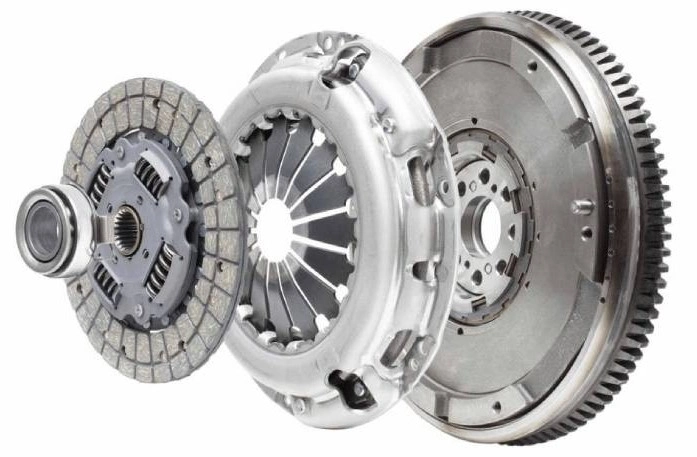
The clutch is an essential component of the vehicle's transmission system. It facilitates the smooth engagement and disengagement of power between the engine and transmission.
Besides transferring power between the systems, the clutch enables seamless gear shifting. In turn, the gear shifting helps the vehicle adapt to different driving conditions, including vehicle positioning and speed changes.
The clutch allows the driver adequate control over the vehicle’s speed and power. A well-functioning clutch enables the transmission to have a long lifespan. It also enhances the overall driving experience.
Symptoms of a Bad Clutch
A deteriorating clutch can significantly affect the vehicle’s performance. It can also lead to an expensive repair if not promptly addressed. Fortunately, you can detect a clutch problem early as it gives some signs. Below are some symptoms of a bad clutch in your vehicle:
Slipping Clutch
Clutch slippage is a major pointer to clutch problems. The slippage is usually caused when there is no friction between the flywheel and clutch disc.
One significant way to know if a clutch is slipping is when the engine's RPM goes up without a respective increase in vehicle speed. You can easily notice this during vehicle acceleration.
Difficulty Shifting Gears
The clutch plays a significant role in gear shifting. As such, if you find it hard to change the gear while driving, it may point to a problem with the clutch. A malfunctioning clutch can lead to jerking, grinding, or outright difficulty in gear shifting.
Unusual Noises
Unusual noise from the clutch area can point to a problem with the clutch components. Don't hesitate to check out your clutch if you hear a chirping, squeaking, or grinding sound when engaging or disengaging the clutch. This may imply that clutch parts like flywheel, clutch disc, pressure plate, and release bearing are damaged or worn out. Ignoring these noises can create other problems, leading to higher repair costs.
Burning Smell
A burning smell from the clutch area can indicate excessive friction and heat among clutch components. However, it is worth noting that clutch slippage is the major cause of overheated brakes. This can further damage the clutch plate, giving a burning smell when engaging the clutch. In fact, excessive brake overheating can lead to a potential car fire.
Fluid Leak
The common practice after noticing one or some of the signs discussed above is to check the transmission and clutch area for any fluid leakage. The leaks can compromise the clutch’s ability to engage efficiently, causing challenges during gear shifts.
Causes of a Bad Clutch
The clutch is a mechanical component. As such, it is bound to decline in performance over time. Understanding the common causes of a bad clutch is essential for proactive maintenance and preventing costly repairs.
Wear and Tear
Normal wear and tear is a natural part of the clutch's lifecycle. The friction material on the clutch disc gradually wears down over time, reducing its ability to grip the flywheel. So, always remember that the clutch will reach a point where it can no longer effectively transmit power.
Driving Habit
Do you think your driving habit has nothing to do with your clutch system? You cannot be more wrong. In fact, your driving habit directly affects the clutch’s performance as you need to engage the clutch often for engine transmission. As such, aggressive driving can shorten your clutch’s lifespan.
Furthermore, frequently engaging in abrupt starts, stops, or aggressive shifts without proper clutch control can lead to accelerated wear and shorten the clutch's lifespan.
Improper Adjustments
Improper adjustment of the clutch linkage and pedal can lead to wrong contact, enabling premature wear. Incorrect clutch linkage can also cause friction and excessive heat, setting the clutch up for heat transfer and overheating.
Overloading the Vehicle
Overloading a vehicle beyond its recommended capacity puts additional strain on the clutch. This can lead to premature wear and cause the clutch to fail sooner than expected. As such, it is best to adhere to the manufacturer's load capacity recommendations. This will ensure that the clutch system operates within its designed parameters.
Fluid Contamination
Using a contaminated fluid for the clutch system is worse than not using any at all. The presence of air, water, or other incompatible fluids in your hydraulic system can significantly compromise it. Not only will it reduce the clutch’s efficiency, but it can also damage the clutch component.
Water or other wrong fluids can lead to the corrosion of master and slave cylinders. Also, air in the hydraulic fluid can lead to a spongy or soft clutch pedal, reducing the clutch’s engagement.
Insufficient Lubrication
Some hydraulic system parts, including the shaft splines, require proper and adequate lubrication. Insufficient or wrong lubrication choice can cause the splines to bind, making gear shifting and disengagement difficult.
Conclusion
A faulty clutch can affect the overall vehicle performance. It can also cause damage to other vehicle components and compromise the user’s safety. As such, recognizing the early signs of a clutch’s problem and promptly addressing it can help immensely.
If you notice any of the signs mentioned in this article, it is best to seek the services of a qualified mechanic for the necessary repairs. Regular maintenance and attentive driving habits can contribute to the longevity of your vehicle's clutch system, ensuring a smoother and safer driving experience.

Luxury cars brands we service