
Why Car Brake Pedal Goes To Floor?
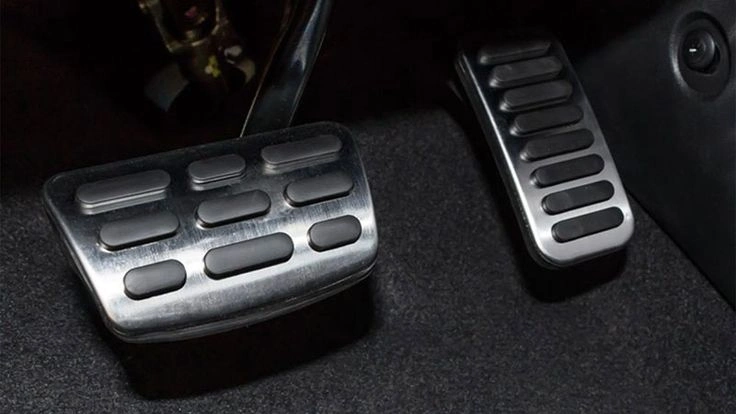
Normal car brake pedals are quite sensitive and respond appropriately to the pressure applied when braking. Nonetheless, there are certain instances where the car brake pedal goes to the floor. You might notice a mushy feeling or unresponsiveness, which can be dangerous when driving.
The good thing is that there are several causes that you need to understand in such situations. Read on to familiarize yourself with why the car brake pedal goes to the floor and proactive maintenance solutions.
Brake Fluid Level
This is a top-tier consideration when assessing problems with your car's braking system. Brake fluid levels deliver the force applied when braking. Certain brake fluid level quality standards are required to ensure a vehicle has reliable braking effects.
The main reason is that brake fluids respond quickly to external temperatures, which can distort their optimal functions. Experts recommend frequent brake fluid checks to ensure responsive pressure application.
Brake System Leakage
As stated earlier, brake fluid is responsible for delivering pressure after pressing the pedal. Brake system leakages cause uneven pressure distribution, which causes the brake pedal to go on the floor. This prevents the vehicle from stopping effectively and can be quite hazardous.
The frequent movement of several car components, such as pistons and switches, often causes brake fluid leaks. You should frequently conduct brake fluid tests to ensure no possible leakages happen as they deteriorate braking system response.
Malfunctioning Master Cylinder
The brake master cylinder converts the pressure applied on the brake pedal into hydraulic pressure for reliable braking. A malfunctioning master cylinder makes the brake pedal to travel more, causing it to go to the floor unexpectedly.
That's why experts recommend regular brake master cylinder checks to clean it and increase its lifespan. This will ensure that pressure is distributed evenly across the entire brake system lines when stopping the vehicle.
Malfunctioning Brake Booster
Commonly referred to as a brake servo, brake boosters are imperative in enhancing braking system reliability. They convert the minimal pressure applied on the brake pedal into significant force without much strain. A malfunctioning brake booster can cause the brake pedal to go on the floor due to the extra braking force applied.
It would be best to check your car's brake booster, as it influences various components, such as brake pads, brake calipers, and disc rotors.
Air in the Brake System
Air entering the brake system can significantly damage its effectiveness when braking. This is because it results in a decrease in brake power, leading to a spongy brake pedal feel. Air compression inhibits the effectiveness of hydraulic pressure distribution in the brake fluid.
Air in the braking system causes delayed response when pressing the brake paddle. You should seek brake car repair services to ensure no air is present in the brake system.
Misaligned Brakes
The most common cause of misaligned brakes is wear and tear that arises due to overworking the brake system components. This often results in unequal pressure when pressing the brake pedals, leading to a spongy feel. Misaligned brakes can cause several issues, as articulated below:
- Vehicle shaking when braking
- Grinding noises
- Longer stopping distance
- Wheel misalignment
- Wear on tires
Misaligned brakes pose safety threats when driving as they compromise the ability to stop the car. That's why it is essential to frequently check the brake alignment from a professional car repair service provider. In addition, you can consider replacing worn-out brake system components for effective road safety.
FAQ
What should you do if your brake pedal goes to the floor?
First, evaluate the main cause of your brake pedal going to the floor. Then, address the main concern to avoid compromising safety when driving.
Is it safe to drive when your brake pedal goes to the floor?
Driving when the brake pedal goes to the floor is not good, as it decreases your car's potential to brake effectively. In addition, you will have a hard time applying the required braking pressure.
How to fix a sinking brake pedal?
Many factors can cause a sinking brake pedal. That's why it would be best to take your car to a reliable vehicle repair service to analyze the potential cause. To avoid a sinking brake pedal, you might be required to replace various brake system components.
Why is there no pressure on my brake pedal?
A wide array of factors can cause soft or spongy brakes. The main cause is wear and tear across various brake system components. You should seek professional service intervention to reinstate the normal pressure when pressing the brake pedal.
Why is my brake pedal going to the floor but no leaks?
Your car's brake pedal can go to the floor even when there are no fluid leaks. This is because several causes can occur, such as inappropriate fluid levels, a malfunctioning brake booster, and a master cylinder. Other possible causes are misaligned brakes and air in the brake system.

Luxury cars brands we service