
What is Car Paint Protection Film (PPF)
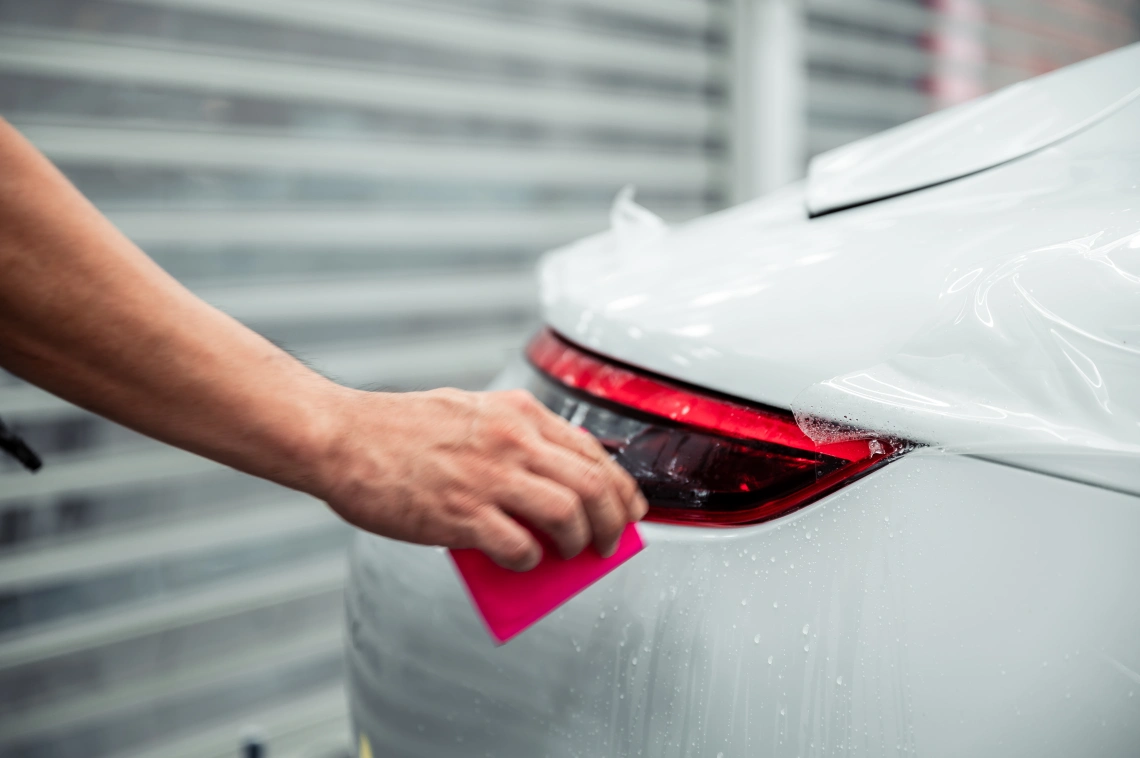
Drivers often ask: what PPF for cars is, and why so many premium vehicles have it straight from the showroom. Simply put, PPF is a nearly invisible urethane layer applied to the vehicle's painted panels. It forms a flexible barrier between your car’s finish and everything the road throws at it - dust, gravel, stone chips, and harsh sunlight.
After some time on the road, the difference becomes obvious. The paint doesn’t pick up small marks around door handles or dull spots on the hood, and washing takes less effort. A quick rinse brings back the clean look because grime struggles to stick to the surface. The film quietly blocks UV rays and the fine debris that usually fades the color in Dubai’s heat.
In the long run, PPF pays off. Cars that keep their factory paint intact tend to stay in better shape and hold higher resale value. At Easy Care Auto, we keep up the proper protection that guarantees your car looking sharp for years, without you having to think about it.
What is This Film PPF Made Of?
Modern PPF is built from a clear urethane or polyurethane base - flexible enough to stretch over complex curves but strong enough to take daily impact. The upper layer of PPF has healing properties that react to warmth. Light scratches or marks from everyday washing ease out once the car sits in the sun - the surface evens itself naturally.
During paint protection film installation, the material softens slightly and hugs each curve as it cools, leaving the original paint sealed underneath. There’s no extra thickness or strange texture - just a smooth finish that takes the hits before the paint ever does. Soft protection, but the kind you quickly learn to appreciate.
Benefits of Paint Protection Film
A well-applied paint protection film PPF gives your vehicle superior protection against everyday wear. It’s not just about blocking damage - it keeps the car paint looking newer for years. The film absorbs small impacts from gravel, resists fading from the sun, and helps reduce the need for paint correction. Fuel stains, bug marks, and dust film don’t grip the surface the same way once it’s sealed. You rinse it, and the paint feels smooth again - no scrubbing or polishing needed. Over time, that kind of easy upkeep keeps the finish consistent and saves on detailing visits.
Protection from Scratches and Chips
On city streets or highways, rock chips and debris can ruin a good finish fast. PPF covers vulnerable spots - the hood, front bumper, and mirrors - taking the hit before the paint does. It softens the impact from small stones and shields against light scratches from brushes or keys. For heavy-use impact areas, this layer works like a shock absorber, keeping the body free from the usual marks that show up after a few months of driving.
UV and Chemical Resistance
Strong sunlight and city dust speed up fading, especially under constant UV exposure. PPF forms a barrier with high chemical resistance, stopping discoloration from bird droppings, fuel mist, or tree sap that can etch through the clear coat. After a full summer of heat and dust, the paint still keeps its tone and doesn’t dull around the edges. A quick wash brings back the clean look - no endless polishing sessions or wax layers needed.
Improved Appearance and Long-Term Value
A good protective film keeps the finish looking close to new car paint, even after years on the road. The film locks in the gloss and shields against fading, so the surface doesn’t need constant polishing or correction. Because the color stays clear and smooth, the car simply looks newer for longer. Well-installed, quality films help preserve appearance and market value alike - a detail that pays off when it’s time to sell or trade your vehicle.
Cost and Coverage Options
The cost of paint protection films in Dubai varies with vehicle size, shape, and the quality of the chosen material. Partial “front packages” that cover the hood, side mirrors, and bumper usually start around AED 4,000–6,000. Complete or full vehicle coverage runs from AED 10,000–18,000 for mid-range cars and up to AED 22,000+ for luxury or large SUVs using premium product lines.
Labor time and film precision also affect price. The more detailed the bodywork, the more careful the fitting. Whatever the range, the goal stays simple - long-term protection that keeps automotive paint in showroom condition.
Partial vs. Full Coverage
Partial coverage focuses on areas that take the most impact from road debris - the hood, mirrors, bumpers, and door edges. It’s an efficient option for daily drivers who need essential defense without full-body coverage.
Full coverage means applying the film across every painted panel, removing exposed gaps and keeping a consistent finish all over the body. It’s the preferred setup for luxury or long-term vehicles where uniform gloss and total defense matter most. Both options rely on the same paint protection films technology - the difference is in scope: partial targets impact zones, while full coverage seals the entire surface for complete peace of mind.
Disadvantages and Considerations
Installing PPF isn’t always simple or cheap. A correct PPF installation takes skill and patience, especially when you apply PPF on curved panels or complex edges. Cutting corners can lead to trapped dust or peeling edges that may damage new car paint. Cheap materials or poor workmanship also cause early fading or marks, which is why a premium product and trained hands matter. Some owners report PPF damage new car issues after DIY attempts - professional setup prevents that and guarantees a cleaner finish that lasts.
Maintenance and Lifespan
A well-installed film lasts for years with basic care. Most suppliers include a oneyear warranty for film defects like lifting or haze. When washing, stay gentle - soft mitts only, don't use harsh brushes or chemicals that could dull the gloss. Avoid letting dirt bake into the surface and check edges occasionally. If minor scratches appear, a bit of sun or warm water usually makes them fade. Adding ceramic coatings or a clear top coat over the film boosts gloss and makes water bead away easily. With that upkeep, PPF can protect your car for 5–10 years without losing clarity.
Is Paint Protection Film Worth It?
For most drivers, it is. The cost of applying PPF may feel high upfront, but it quickly balances out when compared with repainting panels or constant detailing. A quality PPF layer shields the finish from scratches chips, UV exposure, and everyday grime. It also saves you from stains caused by bird droppings tree sap that can etch into paint. Over time, PPF protects both the look and market value of your car. For short-term owners, it keeps the surface easy to maintain; for long-term ones, it prevents expensive repairs down the road.
PPF vs. Vinyl Wraps
PPF and vinyl serve different purposes, even if they’re often mentioned together. Paint protection film is built for endurance - it takes on the harsh stuff: road grime, road salt, and chips that usually hit the front end. Its top layer flexes when struck, keeping the surface underneath clear and intact. Vinyl wrap is lighter and built for looks - color shifts, finishes, or logos. It’s perfect for restyling but not for taking impact on areas like bumpers or door edges. Both have their place; one preserves, the other personalizes.
Installation Process Explained
A clean, controlled bay is step one: wash, decontaminate, clay, and IPA-wipe the panels. Patterns are cut on a plotter, then test-fit and aligned. A slip solution lets standard PPF slide into position; edges are set with tack solution and a squeegee. Curves on mirrors bumpers are warmed so the material behaves film like-it conforms, then “sets” with post-heat to lock memory. Seams are minimized; edges are wrapped where safe clearance exists. Final checks confirm no lift, silvering, or trapped moisture. Finish is noted (gloss or matte finish), and curing guidance is given before handover.
Role of Certified Installers
Certified teams control temperature, lighting, and dust, preventing stretch marks, lift lines, and blade contact. They choose correct slip/tack ratios for each panel and film, verify plotter templates, and calibrate heat so adhesive flow is uniform-critical for longevity and optical clarity. Owners also like that pros brief them on first-wash timing and how to clear bug splatter quickly. A pro shop documents batch codes for warranty support and explains limits (PPF is protective, not completely safe against all impacts). They’ll specify when standard PPF suffices and when an upgrade is justified based on your use case.
How Long Does PPF Last and Can It Be Removed?
The lifespan depends more on care than on the calendar. In Dubai’s climate, quality film usually holds up for seven to ten years before signs of wear appear. A full wrap - the ultimate package that covers the whole vehicle - lasts longer because no edge is left exposed. Some workshops recommend adding a ceramic coating on top; it makes washing easier and slows oxidation. When removal is due, techs warm the panel and lift the edge by hand, and the film releases cleanly without pulling the paint. Once off, it can’t be reused.
Choosing the Right PPF for Your New Car
Selecting the right film depends on how and where you drive. If your routine includes long highway runs or construction zones, pick a thicker package that can provide sufficient defense against chips and abrasions. Urban drivers may prefer a lighter setup focused on gloss and cleaning ease. The whole vehicle doesn’t always need coverage - some owners protect only the front section and fog lights, where most debris hits. Finish also matters: choose gloss for depth, matte for subtle texture. Warranties vary, but longer coverage usually reflects stronger adhesive and UV stability. Films can be removed however once worn, so professional fitting and a trusted brand remain key to a finish that lasts.

Luxury cars brands we service