
Why Car Starts Then Dies
/Are you having a car problem where your car starts but dies almost immediately? Or it dies when you put it in gear or take your foot off the gas. Well, the first thing you should do in this situation is not to panic. This issue isn’t exactly foreign and can result from a few things.
This problem can range from a minor electrical malfunction to a critical engine problem. Depending on the issue, there are a couple of troubleshooting you can try out. Below, we have reviewed every possible situation that can cause this issue and a quick solution if possible.
Faulty Battery
If you are experiencing this issue, you first want to check the battery. A faulty battery, mainly when the battery is weak, can cause this issue. So, inspect the battery if you see any evident damage. Most batteries have an indicator on it you can use to tell if it is still healthy. Or, if you have a voltmeter lying around, use it to test if the battery is still healthy. If the reading is lower than 12.2 volts, the battery is bad and needs replacement.
Lack of Fuel
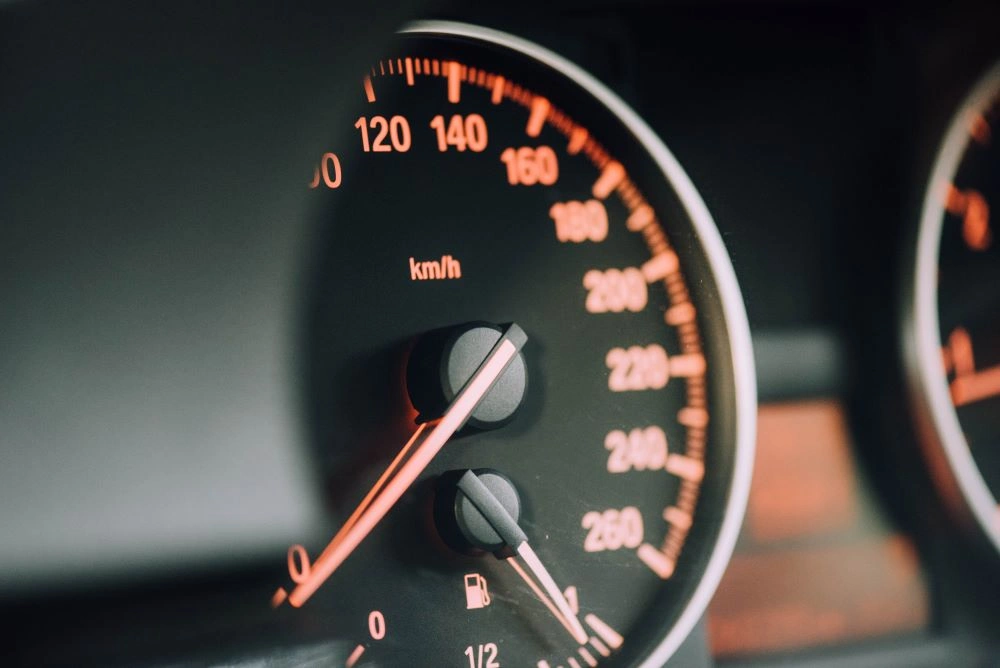
Another reason your car dies after you start it is because you are out of fuel and didn’t realize it. When you have a very low fuel level in the car, the engine may start, but there won’t be sufficient fuel getting into the engine to keep it alive. So, check if you have enough fuel by looking at the fuel gauge on the dashboard. If the fuel gauge is faulty, insert a dipstick in the fuel tank to know the fuel level.
Faulty Spark Plugs
The spark plug is a device that creates a spark in the engine to ignite the fuel-air mixture. It is an integral part of the engine that must continually produce a spark to keep it running. As such, faulty spark plugs can cause the engine to die when it starts. Pop the hood of your car and inspect the spark plug. If it is defective, quickly replace it. It may be the only reason your car dies when it starts.
Anti-Theft Alarm System Issue
Most vehicles come equipped with an anti-theft alert system. There are different anti-theft alarm systems, but the most common one is the one that turns the ignition off by cutting the fuel pump’s power. When the fuel pump does not work, the engine won’t work. So, if this alarm is faulty, it can cause this issue with your car not staying on when it starts.
Faulty Exhaust Gas Recirculation (EGR) Valve
When a vehicle works, a certain amount of exhaust recirculates into the engine to reduce NOx emissions. It ensures the right amount of exhaust returns to the engine. But if this valve becomes faulty, too much air may enter the engine, causing poor combustion. As a result, the car will go off right away. Inspect the EGR valve; if it’s stuck, cleaning it should fix it. But if it is broken, you need to replace it.
Bad Engine Control Unit (ECU)
Most modern vehicles make use of an ECU system to control several components. This component includes engine functions, sensors, and so on. If the ECU fails, often due to wiring issues or group straps, it can cause the vehicle to stall. If a bad ECU is why your vehicle is going off, inspect the wiring to see any disconnecting wiring clips. Or better still, consult a technician for support.
Dirty of Bad MAF Sensor
This sensor measures the quantity of air getting into the engine. It’s a vital component that ensures complete combustion inside the engine compartment. But in case the air filter becomes clogged, it can cause the MAF sensor to malfunction. When the MAF doesn’t accurately measure the air-to-fuel ratio, it affects combustion, causing the problem of the car not staying on. Cleaning the sensor may fix the issue, or replacing it might be the only viable solution if the damage is too severe.
Bad Idle Air Control Valve (IAC)
Another component to inspect when your vehicle doesn’t stay on is the IAC valve. The function of this valve is to regulate the amount of fuel to the amount of air when the car is idle. But if it is bad, you will experience rough idle. Cleaning the valve can help you resolve this issue. But if cleaning doesn’t do the trick, the problem could be electric-related.
Severe Vacuum leak
What is referred to as a vacuum leak is a situation with a hole in the IAC behind the MAF sensor. This hole messes with the combustion in the engine, which can cause the vehicle to die and eventually go off. If the leak is minor, the car will still be drivable. But when the leak is significant, the vehicle will not be drivable. Note that this leak is not always apparent, and it’s best to seek help from a technician.
Ignition Issues
The ignition system is another vital part of every vehicle that produces sparks in the combustion chamber to keep the car moving. When this system is defective, there won’t be any combustion or enough combustion in your engine to keep the car working. Try properly troubleshooting the ignition system by connecting all wires and checking for apparent damage like corrosion or dent. If the problem persists, consult with a technician to diagnose the problem and fix the root issue.
Fuel Pump leak
The fuel pump is the part of a vehicle that draws fuel from the fuel tank into the engine. The fuel pump must generate enough pressure to create enough fuel-to-air mixture in the combustion chamber. But when a fuel pump leaks, the fuel getting into the combustion chamber won’t be adequate. In such a case, identifying the leak and fixing it is recommended.
Fuel Injection Sensor Issues
Most modern vehicles come with a fuel injector sensor that measures the pressure getting into a combustion chamber. This unit is vital because it ensures the right amount of fuel enters the combustion chamber. If this sensor develops an issue, the engine won’t get the right fuel for proper combustion. A fuel injector sensor issue can result from various issues, including ECU, dirt, etc. So, to ensure the problem doesn’t escalate when you see the check engine light, ensure you have your vehicle checked by a mechanic.
Bad Carburetor
A carburetor is a component often used on older vehicles that don’t use an electronic fuel injector. Cars with carburetors use them to control the amount of air and fuel in the correct ratio. But when the carburetor becomes bad, it distorts the balance of the ratio, which can cause the car to stall. To fix this issue, clean the carburetor, or better still, replace it.
Clogged Or Old Fuel Filter
Close to the fuel line is the fuel filter, which screens out particles from getting into the engine to cause damage. But the fuel filter can get clogged after a while, affecting how much fuel gets into the engine. When enough fuel doesn’t get into the engine, it can stall your vehicle. Fortunately, cleaning or replacing the fuel filter should resolve this issue.
Ignition Coil
An ignition coil is similar to a spark plug as they work similarly. The ignition coil creates a spark in the combustion chamber to keep the engine running. Vehicles have several ignition coils, one for each engine cylinder. So, a car with six engine cylinders has six ignition coils. If one or several ignition coils become faulty, it can cause the vehicle to misfire or die when you put the car in gear or take your foot off the throttle.
Bad Camshaft/Crankshaft Position Sensor
The camshaft is a component in the internal combustion engine that drives the crankshaft, which acts as a timing device to control the exhaust and intake valves. In contrast, the crankshaft sensor gives the ECU information about the position of the camshaft at all times. If there is any issue with the camshaft or crankshaft sensor, it can cause the vehicle to stall and eventually die. The problem can arise from electromagnetic interference, corrosion in the connector, etc. It’s best to seek help from a technician if you encounter this issue.
Slipped Timing Belt or Timing Chain
The timing belt or chain is a component that synchronizes the movement in the camshaft and crankshaft. They are vital components in the engine that must function effectively. If the timing belt or chain slips and skips a tooth, it will change the cam timing, which can cause the exhaust or intake valve to open or close at the wrong time. This incorrect cam timing can cause the vehicle to misfire, stall, or have a rough idle. Lubricating the timing belt or chain may fix this issue. If the belt or chain is slack, you will need to replace it; for this, you will need the help of an experienced mechanic.
Bad Ground Strap
A ground strap is a metal cable that connects your vehicle chassis to the battery terminal to prevent voltage spikes. If you have a bad ground strap, it can cause all sorts of nasty electrical issues with your vehicle. In some cases, your car may stall randomly while sometimes behaving erratically. In this case, inspect under your hood to ensure all ground strips are correctly connected. Fixing a bad ground strap issue is easy and cheap. The challenging part is if the lousy ground strap caused other electrical problems, you must diagnose it.
Conclusion
If you have any problems with your car, you can always contact our car service center, where our highly qualified specialists will do everything possible to keep your car working perfectly.
FAQs
What to do when your car starts and then dies?
In this case, check your fuel and battery level. Also, check if there is proper ignition and airflow. Try turning the anti-theft system on and off; it might fix the issue. The ECU should also be on your radar of things to check.
Can you unclog a fuel filter?
It is difficult to open the fuel filter, but you can unclog it to remove the dirt. But if the accumulated dirt is too bad, replacing the fuel filter is best to ensure it functions efficiently.
Could a bad battery cause the stall?
When a car battery is bad, you risk stalling out even if your vehicle starts. Mainly, when you turn on more load in your car, it may be too much for the alternator, which causes it to stall out.
What sensors can cause a stall?
So many sensors in a vehicle can cause it to stall. Aside from the abovementioned sensors, the engine coolant temperature sensor, throttle position sensor, and manifold absolute pressure sensor can cause engine stalling.

Luxury cars brands we service