
Smoke Coming From The Engine
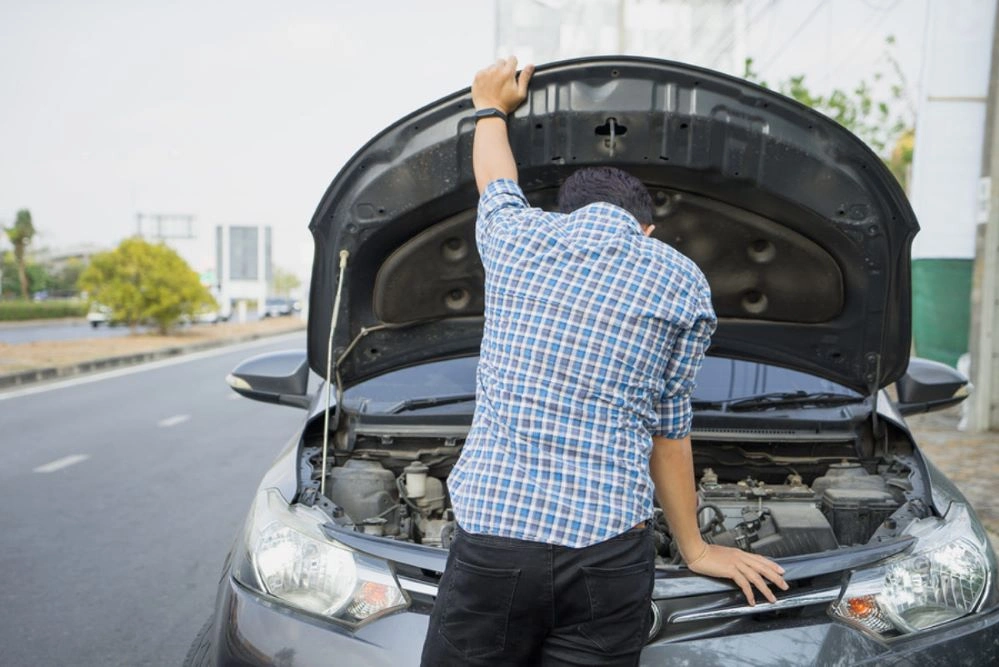
It is quite a normal occurrence for smoke to come out of cars with internal combustion engines. This is why automobiles are equipped with heating systems and smoke exhaust systems. The smoke can result from the condensation that has built up in the car during the resting hour. It can also result from the radiator and engine system's operation, exhumed out of proper places like the exhaust pipe.
Although smoke can signal many car issues, smoking alone does not tell you something is wrong with your car. Instead, its intensity, features, and many other factors can tell whether you should worry.
This article will enlighten you on the common causes of smoke from the engine, how to diagnose the issue, and the appropriate solutions to get you back on the road safely.
What to Look Out For When Your Car is Smoking
Even the novice driver with no mechanical ability knows when there's trouble, and smoke is never a good sign. However, smoke from your car can mean different things, depending on the location, color, smell, and intensity.
Below are some things to look out for when smoke is coming out of your car:
Color of the Smoke
As opposed to what many people think, cars do not only emit black smoke. There are three major colors of car smoke. These colors say a lot about the underlying cause of the smoke and its possible implications for the car. This can help you determine the following action to take and decide whether it calls for panic or not. Here are three colors and what exactly they can mean:
-
White smoke
White smoke can be caused by the weather or coolant leak. There is no cause for alarm when the weather causes it, and the most it can do is pollute the air. However, when the white smoke is due to a coolant leak, it is dangerous and can lead to reduced efficiency and problems with some parts of the vehicle.
-
Blue smoke
Blue smoke is not a very common engine smoke type. However, this does not make it any less bad. Blue smoke can happen due to excessive engine oil consumption in the combustion chamber. This problem can happen with internal engine issues like damaged valve seals and piston rings. Also, this smoke can come out when your turbocharger is malfunctioning.
Conditions causing blue smoke can result in reduced engine efficiency, wear, and increased oil consumption.
-
Black Smoke
Black smoke is the most common and most car smoke. People automatically go into a panic mood when they see this smoke, assuming that it spells doom for their vehicles. However, while it is not something to be relaxed about, its potential side effect is reduced fuel efficiency.
In the extreme, it can lead to engine damage, so it is not good to rest on your oars. The primary cause is overfueling the vehicle. Other reasons for this smoke color include faulty fuel injectors, clogged air filters, and turbocharger issues.
Smell of the Smoke
The smell of the smoke can help you figure out the possible problem your car may be having and how to deal with it. Some engine smoke smells are:
-
Sweet-smelling smoke
Do not be deceived by the sweet smell; this smoke is dangerous to your car and the environment. It is usually due to a leaking coolant from a spoilt radiator or gasket, leading to overheating and potential engine damage.
-
Smoke with a burnt electrical smell
When a burnt electrical smell accompanies your engine smoke, it can be due to the overheating of electrical components like wires. This is a dire situation as it can lead to a fire outbreak.
-
Smoke with an acrid smell
An acrid or chemical smell accompanying engine smoke can point to the combustion of foreign materials. Introducing weird and strange materials like plastic, rubber, and contaminated oil into the engine and letting it get into the combustion process can birth this smell.
-
Smoke with a metallic smell
A smoke accompanied by a metallic or burnt metal smell is from overheating the vehicle's metallic parts like gears, breaks, and bearings. It can also be due to friction in this part. This can lead to reduced performance and damage to these parts.
-
Exhaust-smelling smoke
This smoke can be due to engine or exhaust issues like leaking engine oil or damaged valves and pistons. Although it is common, it doesn't erase the fact that it is dangerous to the car and the environment. It can affect the engine and overall vehicle performance, leading to increased oil and fuel consumption, among many other issues.
The intensity of the Smoke
How heavy the smoke is, consistency and the duration of the smoke can also reveal information about your car's condition. Although the intensity of engine smoke is not a definite diagnostic tool on its own, an accurate combination with other factors can help determine how bad the situation is.
Naturally, mild smoke refers to an underdeveloped problem or insignificant problem. Heavy smoke means something is seriously wrong and needs to be checked out immediately. Also, when smoke comes out occasionally, rather than every time, it may not be as serious yet. This may be the time to nip the situation in the bud to prevent it from escalating.
The Location of the Smoke
The location of the smoke can give significant insight into the underlying problem and help diagnose the situation faster. For instance, engine smoke from the exhaust usually points to a problem with or in the combustion chamber. Meanwhile, if the smoke is from the engine bay, it indicates a problem with the engine or its components. Exhaust or oil leak problems can have smoke coming out from underneath the vehicle. Similarly, emission from the wheel wall usually deals with issues regarding the wheel.
Availability of Other Symptoms
Conclusively, engine smoke may not be an excellent tool to diagnose the problem of a vehicle solely. As it is usually a symptom of an underlying problem, paying attention to other issues may go a long way in helping make a more definite diagnosis and approaching the problem correctly.
Look out for other symptoms like decreased fuel efficiency, reduced acceleration, trouble starting the vehicle, power loss, fluid leaks, weird sounds, high engine temperature, excessive fuel consumption, etc.
Effects of Vehicle Engine Smoke Emission?
Engine smoke emission is a nuisance to the environment, vehicle, and the car owner. As it points to a problem, it also causes more problems. Here are some of the effects of engine smoke emission:
-
It pollutes the environment, making the air unclean and toxic
-
It affects people’s health
-
It makes the vehicle consume more fuel
-
It can lead to engine damage if it goes on for a long time
-
It reduces the vehicle’s resale value
-
It makes the public perceive the car owner in the wrong light.
-
It can lead to damage to other car parts.
-
It increases the cost of running the car, needing constant repairs and replacements of parts and consuming more fluids.
-
It can lead to coolant loss
-
It can lead to an electrical car fire.
Common Causes of Engine Smoke
As explained earlier, different types of smoke come out of the car engine for various reasons. Some of these reasons are simple and unalarming, while some require urgent and ultimate attention. Here are some causes of engine smoke:
-
Carbon buildup due to extensive idling
-
A faulty injector can cause over-fueling, leading to black smoke
-
An engine smoke can be because of a coolant leak
-
A bad PCV valve, overfilled crankcase, and damaged valve seals can all cause burning oil, leading to engine smoke
-
Engine smoke can come from overburning fuel
-
Excessive oil consumption can also lead to engine smoke
-
A bad transmission modulator or transmission cooler can cause engine smoke
What Do I Do When My Engine Is Smoking?
Although a smoking engine can make you panic, it is crucial to calm down and handle it in a coordinated manner. Start by pulling over when you notice any unusual smoke from your engine. Then, pop the hood and assess the smoke.
Determine the smoke's likely cause using the information we provided earlier. Check for leaks and damages and assess the situation. If it is something you can fix by yourself, like a low water level, fix it.
However, don't hesitate to get professional help if it is beyond your capability. Drive the vehicle straight to the automobile shop without any delay. Remember, delay can be more problematic. If you cannot drive the car, call a towing service and get it towed to an automobile shop.
When Should Smoke Emission Not Get You Worried?
Although engine smoke is usually a sign of a severe issue, there are situations when one does not need to be worried about it. One such case is when the engine smoke is due to cold start-up, a common condition in older vehicles. Cold start-up happens when there is a condensation buildup in the vehicle's exhaust, which will clear out, making the smoke dissipate as the engine warms up.
Also, you may not need to worry so much about smoking when using a diesel engine. Some dark exhaust is standard for most diesel engines, as they usually emit visible smoke significantly when accelerating or under heavy pressure. Vehicles equipped with steam cleaners also amit white, cloudy exhausts, which are usually harmless. Furthermore, cold or rainy days may make water vapor more visible in your exhaust, so you may not need to be worried when you see that coming out.
Also, changing fuel types, burning residue, and performance-enhanced exhaust may emit smoke without any problem. However, most of these things can only be left untended when they happen for a short period. It is advisable to seek professional diagnosis and help if they persist.
Conclusion
A smoking vehicle engine can get a car user alarmed. However, knowing how to manage the situation is more beneficial than having unnecessary fear. That is why we have painstakingly guided you through what engine smoke is, what it can mean, and how to handle it. With this knowledge, you should be able to navigate any engine smoke situation and work it excellently.
Also, always have your car examined by a professional for an assured and expert assessment, as this can make you more rested. With this, you can be sure that there is no need to panic as the smoke may not mean an imminent danger but a pointer to something getting bad in your car.

Luxury cars brands we service