
How to Jump Start a Car
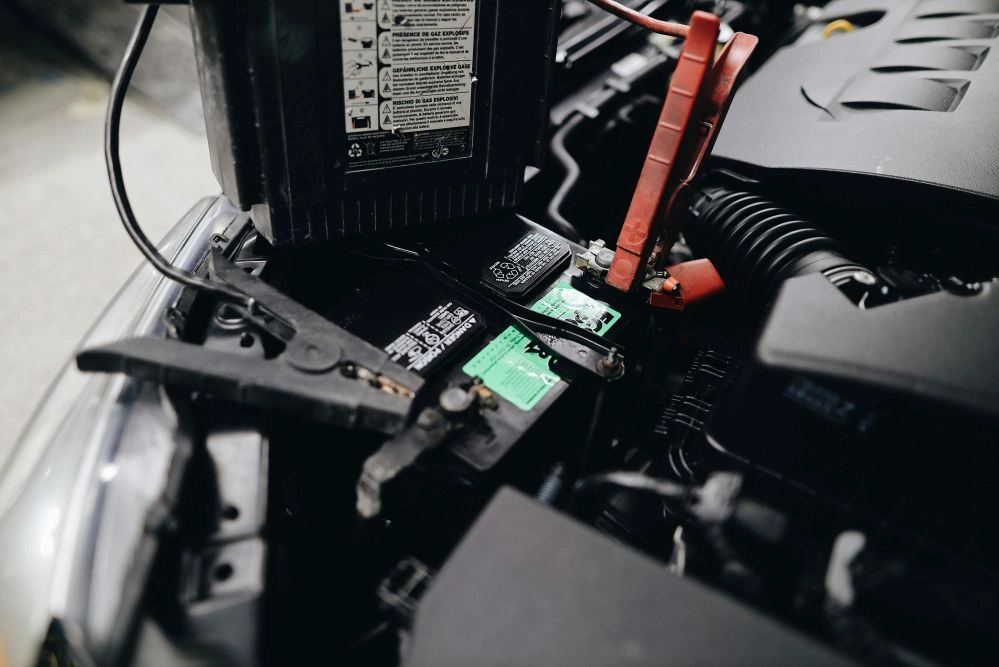
Have you ever been in a situation where you tried to start your car but the engine was taking longer than usual to come on? Or, do you see the battery warning sign on the dashboard? You’re experiencing this most likely because your vehicle’s battery is flat or not connected properly.
Suppose the terminals are connected adequately; then the issue is most likely a flat battery. A quick fix to start your vehicle in a situation like this is to jump-start the vehicle. If you’ve never jump-started a vehicle before, keep reading as this guide elaborates on how to go about it safely.
Why You Might Need a Jump-Start
An automotive requires a charged battery with at least 12 volts to start. But if your car’s alternator is faulty, the battery won’t charge and will eventually drop below 12 volts. As such, you will need to jump-start it.
Similarly, if your car battery’s condition is weak, it will drain faster and may drop below the required volt to start your car. Also, if you leave the electronic part of your car running, like the interior light, it can drain your battery to the point that your car won’t start and requires a jump-start.
Essential Tools for Jump-Starting a Car
Don’t be surprised that all you need to jump-start a car are items you probably already have. Below are essential tools you need to successfully jump-start your vehicle:
- Rubber gloves
- Jumper cables
- Safety glasses
- A car with a charged battery
Step-by-Step Guide to Jump-Starting a Car
Anyone can experience a dead car battery. However, knowing how to jump-start a car can save you time and energy. The process is very straightforward, but in most situations, you will need another car with a functional battery.
Remember, jump-starting a car can be dangerous if not done the right way. Follow the steps below to be on the safer side:
Position the Vehicles Correctly
When you find someone with a car willing to help, line up both cars so that their batteries are within reach. If possible, park the cars perpendicular to each other. This ensures the batteries are as close as possible, especially if you don’t have a long jumper cable.
Suppose your car is on the road; remember to turn on your hazard lights and use the emergency warning triangle.
Turn Off All Electrical Components
Don’t forget to turn OFF all electrical appliances in both cars. This includes the headlight, interior light, infotainment system, etc. The reason for this is to prevent further power consumption of the battery or power surge that could damage them.
Connect the Jumper Cables in the Correct Order
Most vehicles have batteries in the engine compartment. Locate the batteries in both cars and determine their positive and negative terminals.
Connect the jumper cables to the terminals of the car batteries. Start by connecting the red wire to the positive terminal of the working battery. Then, connect the other end to the positive terminal of the dead battery.
Next, connect the black jumper wire and attach it to the negative terminal of the working battery. You can then connect the other end to an unpainted metal surface on the dead car’s engine block (not the battery). This helps prevent sparks. You can master this process in the order below:
- Red clamp to the dead battery
- Red clamp to the good battery
- Black clamp to the good battery
- Black clamp to a metal surface
Start the Working Car and Let it Run
Start the engine of the car with a good battery and leave it for two to three minutes. Afterwards, you can then attempt to start the vehicle with a flat battery. When your vehicle eventually starts, safely remove the cables in reverse order and let both vehicles idle for about 20 to 30 minutes more. This order is explained below:
- Black clamp from the metal surface
- Black clamp from the good battery
- Red clamp from the good battery
- Red clamp from the dead battery
Alternative Ways to Jump-Start a Car
An alternative way to jump-start a car is with an emergency car jumper starter kit. Here, you don’t need a second car. The kit comes with a small battery and jumper cables to start your vehicle when the battery is low.
What to Do If Your Car Still Won’t Start
Sometimes, the reason your vehicle won’t come on may not be because of a flat battery. It could be because of some irregularities in the vehicle. Below are other parts of your vehicle to inspect when the engine is not coming on:
- Empty fuel tank
- Bad Ignition switch
- Faulty start
- Broken timing belt
- Cracked or broken distributor cap
How to Maintain Your Battery and Avoid Future Issues
A vehicle battery is one component that requires the least maintenance routine. But you may need to change battery at least once every three to five years. It depends on how much you drive and the weather conditions. However, when you protect the battery from water, grease or dirt – it will last longer.

Luxury cars brands we service