
Common Hybrid Car Problems
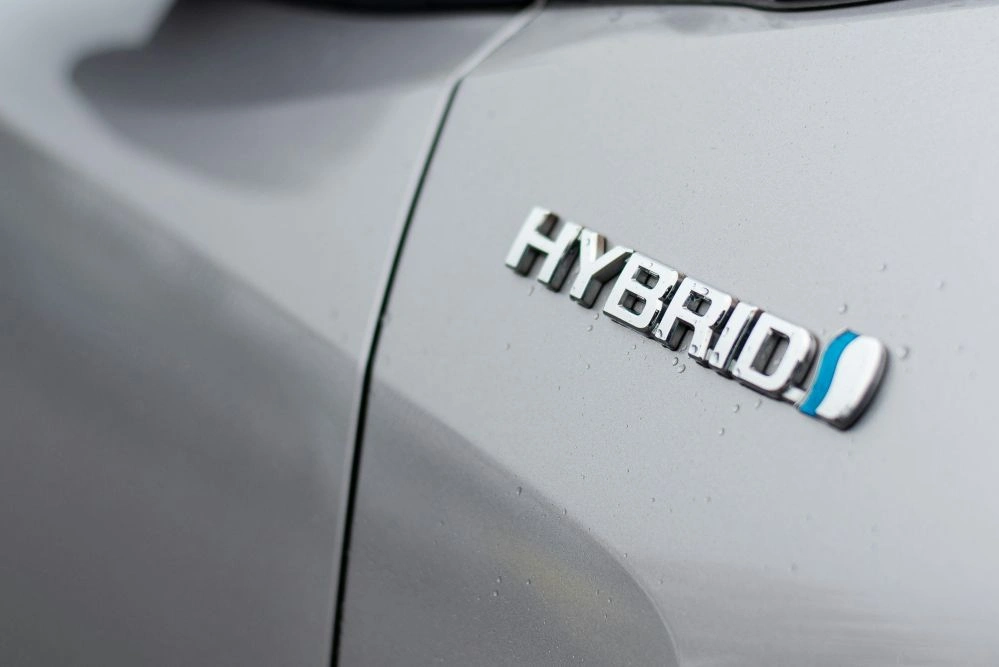
Hybrid cars are clever. They sip fuel, hum quietly, and give you a smooth drive. But they’ve got their issues. Underneath the efficiency and near-silent operation, problems can sneak in, and when they do, the fix isn’t always cheap.
It could be that the battery is losing power. The brakes are acting odd. Maybe the software goes a bit rogue. And in a place like the UAE, where the weather is hot and dust is everywhere, those problems show up quicker.
What to keep an eye on, what needs checking, and when to step in before a small issue turns into a big repair bill in a hybrid car.
Major Hybrid Power System Failures
Let’s start with the battery, the main power source in a hybrid. When it begins to go, things start feeling off. Slower acceleration, and the engine kicking in more often than usual. Fuel economy dipping. All small signs that your hybrid isn’t happy.
Most hybrid batteries last about 8 to 10 years. But with the kind of heat we get in the UAE, that number drops. Throw in traffic, long idling, barely any airflow... and the battery takes a real hit.
Then there's the inverter. When it fails, expect overheating, stalling, or the car refusing to start.
The tricky part is that hybrid systems don’t always give clear warnings. Sometimes, it’s just a little dip in power or an odd sound. Easy to ignore - until it snowballs into a major issue.
Moral of the story: don’t wait. If something feels off, even slightly, get it checked. The sooner, the cheaper.
Critical Mechanical & Emission Faults
Hybrid cars run cleaner and more efficiently, but they’re still mechanical machines at the end of the day. Here are the two points that tend to get overlooked. The braking and emissions.
Braking System Malfunction
Unlike regular cars, hybrids use regenerative braking. It works alongside the standard hydraulic system to recharge the battery while slowing the car down.
One common issue is brake delay. You press the pedal, but there’s a weird pause before anything happens. That delay is dangerous. It could be a failing actuator or software deciding to misbehave.
And then there’s the UAE factor. Dust, sand, heat - any of them can play havoc with brake sensors. If your brakes feel soft or act weird, don’t shrug it off. The whole system could end up failing.
Catalytic Converter Issues
Hybrids tend to run at lower engine temperatures. Great for fuel economy, not so great for the catalytic converter. This part needs heat to work properly. Without it, harmful gases don’t get burned off efficiently.
You might notice a drop in mileage, or the car might fail emissions testing.
Stay alert to changes in how your car sounds, stops, or smells. These are often the first signs that something isn’t right.
2 Complex Electronic Challenges
Modern hybrids run on code as much as they do on fuel. That’s a lot of electronics and a lot of potential for things to glitch.
Complex Electronics Issues
From energy flow to system controls, a hybrid’s electronic brain manages a lot. There are sensors, relays, and wires that all work together. But when one of them slips, problems can stack up fast.
What are the common signs? Random warning lights. Lights that disappear and then reappear days later. A car that hesitates before switching power modes. Or one that randomly decides to stay on petrol.
In a climate like the UAE, heat and moisture take a toll on wiring and connectors. And electronic problems don’t always make a noise. Sometimes, the car just feels off.
If it feels weird, it probably is. Get it scanned before you’re stranded.
Software Control Malfunctions
Your hybrid runs on software. That’s how it balances power, decides when to switch engines, and handles braking and energy use.
If the software’s outdated or buggy, expect strange behavior. Maybe the engine runs longer than usual. Maybe fuel use jumps up for no reason. Or maybe the system goes into “limp mode” and limits your speed.
These issues often go unnoticed until something major happens. Regular diagnostics and updates help keep things in line.
Software may be invisible, but when it glitches, you’ll definitely feel it.
Prevent Costly Hybrid Repairs
You don’t need a degree in auto mechanics to keep your hybrid running well. A few simple habits go a long way.
Battery Health Monitoring
Your battery is the most expensive thing under the hood. Don’t leave it unchecked. Yeah, most hybrids have built-in checks. But they don’t always catch stuff early. That’s why it makes sense to get a pro to check the battery once a year. Especially out here in Dubai or Abu Dhabi - this heat is rough on everything.
And if your car’s slow to switch to electric, or the range takes a hit outta nowhere? Yeah, time to get it looked at. Don’t wait. Get it checked. Early is always cheaper than late.
Scheduled Brake System Checks
Two braking systems mean more to watch. Grinding noises, a soft pedal, uneven stopping - all signs that something’s off.
Brakes deal with a lot in dusty, sandy conditions. UAE drivers should have them inspected with every regular service. It’s fast, easy, and helps avoid bigger failures.
Emission Component Inspections
Hybrid or not, emissions systems matter. A bad sensor or clogged converter won’t always change how the car drives, but it will hit your fuel economy and possibly your wallet later on.
Routine checks keep emissions parts working right and help you avoid costly replacements.
If something feels off, don’t wait. Get the car checked. Ask questions at service time. Stay a step ahead, and your hybrid will treat you well for years to come.

Luxury cars brands we service