
How to Know When Your Car Brakes Need Fixing or Replacing
Car braking systems are crucial to safety. It's your main car control and an accident-prevention tool. Many drivers neglect their brakes until a major problem arises. Knowing when to repair or replace brakes goes beyond maintenance. Your and others' road safety depends on it.
Brake maintenance prevents accidents and costly repairs. However, many drivers cannot detect brake wear. Although durable, modern brakes need regular inspection and replacement. Know the signs of brake problems to avoid costly repairs. Find out if your breaks need repair with this guide.
What Are Brake Pads, and Why Do They Wear Out?
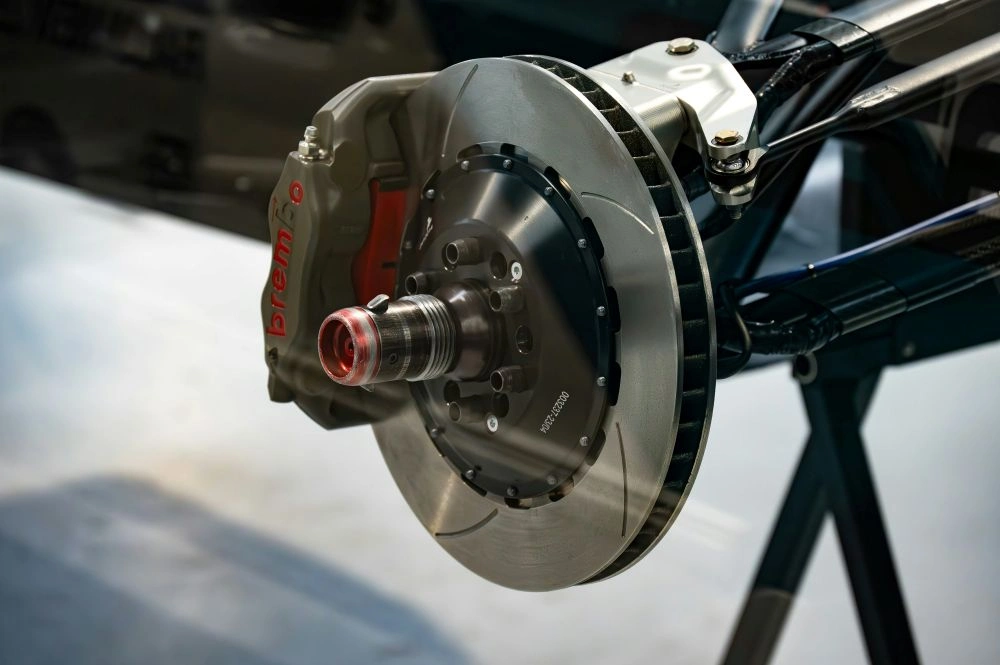
Brake pads stop wheels by pressing on brake rotors. The big metal discs on wheels are brake rotors. When you brake, these pads press on them. The resulting friction will bring your car to a stop. Your expensive braking parts are protected by this layer.
Over time, their friction material wears down. Notably, many factors affect how fast brake pads wear. These include driving style, road condition, and brake pad quality.
Due to fewer stops and starts, highway drivers may see less wear-out than city drivers. But aggressive braking and heavy loads can speed it up. Many brake pads have wear indicators that sound when they reach a certain thickness. Thus, warning drivers of replacement before metal-on-metal contact.
Signs Your Brakes Might Be in Trouble
Before the brake system of your car wears down entirely, there are usually signals. The warning signs on your car's brakes are usually obvious. Learn these signals to avoid major safety issues:
You Hear Squealing, Screeching, or Grinding Noises
Brake squeals, grinding, and screeches are signals. Brake pad thinning usually begins with these noises. A small metal indicator is on the brake pads. So, when worn down to a certain level, they make an audible warning sound.
The caliper and rotor touch metal when the pad material wears away. Thus making a severe grinding noise. Address this immediately to prevent braking system damage.
Your Car Shakes or Vibrates When Braking
Shaking or vibrating while braking indicates wear. Warping usually occurs when heat builds up. This can happen when you break hard. It could also stem from parking your car for a long time with wet or rusty brakes.
The warped rotor causes brake pads to clamp down unevenly. Hence, this leads to noticeable vibration. This condition reduces vehicle braking performance and lifespan.
How Long Do Brake Pads Usually Last?
Different conditions determine brake part longevity. Its durability depends on the conditions it has been exposed to. Typical examples of such conditions are your driving style and the road conditions. Brake pads can last 50,000-70,000 km. City drivers may need to replace theirs every 30,000 kilometers. Their brake pads most likely wear faster than highway drivers.
Also, environmental conditions can accelerate brake pad wear. Such conditions are moisture, road salt and high temperatures. Ceramic brake pads outlast semi-metallic and organic ones. The difference depends on the material. The weather is also important regarding durability. High temperatures accelerate wear in brake pads. Regular inspections can detect brake wear before it becomes dangerous. Brake pads may squeal when nearing the wear limit.
Avoiding brake failure or part damage costs more than axle replacement. Therefore, inspect your brake pads' thickness regularly. You can prepare for replacements before major damage happens. Expert mechanics recommend replacing pads at 3-4 millimeters. This varies by car manufacturer and driving conditions.
What to Do If Your Brakes Aren't Working Right
Responsive brakes protect you and others on the road. To make your brakes work better, there are some quick fixes you can apply. Here’s what you can do if your brakes aren’t working right:
Quick Tips to Make Your Brakes Last Longer
Your brakes can last much longer than expected if you adhere to certain conditions. Especially when going downhill, switch to a lower gear. Then, use engine braking instead of riding the brakes. Keep a safe following distance to avoid hard braking. Change brake fluid regularly to keep brake pads running smoothly.
Also, remove extra weight to reduce brake load. For the best contact when replacing pads, you may consider getting the rotors resurfaced. You can improve your driving safety, and pad life with gentle braking.
Your Safety Comes First
To stay safe and provide you control while driving, your vehicle needs an effective braking system. Paying attention to the signs that indicate brake wear, you can fix problems before they get worse. With the consequences of brake failure, maintenance or pad replacement is more cost-effective. To ensure safety, always be on the lookout for potential dangers. Carry out routine maintenance on brake parts regularly. By doing so, you’re sure there’ll be no breakdown on your journeys. Most importantly, seek professional roadside assistance whenever necessary.

Luxury cars brands we service