
Yokohama vs Bridgestone
Brief history of tire brands
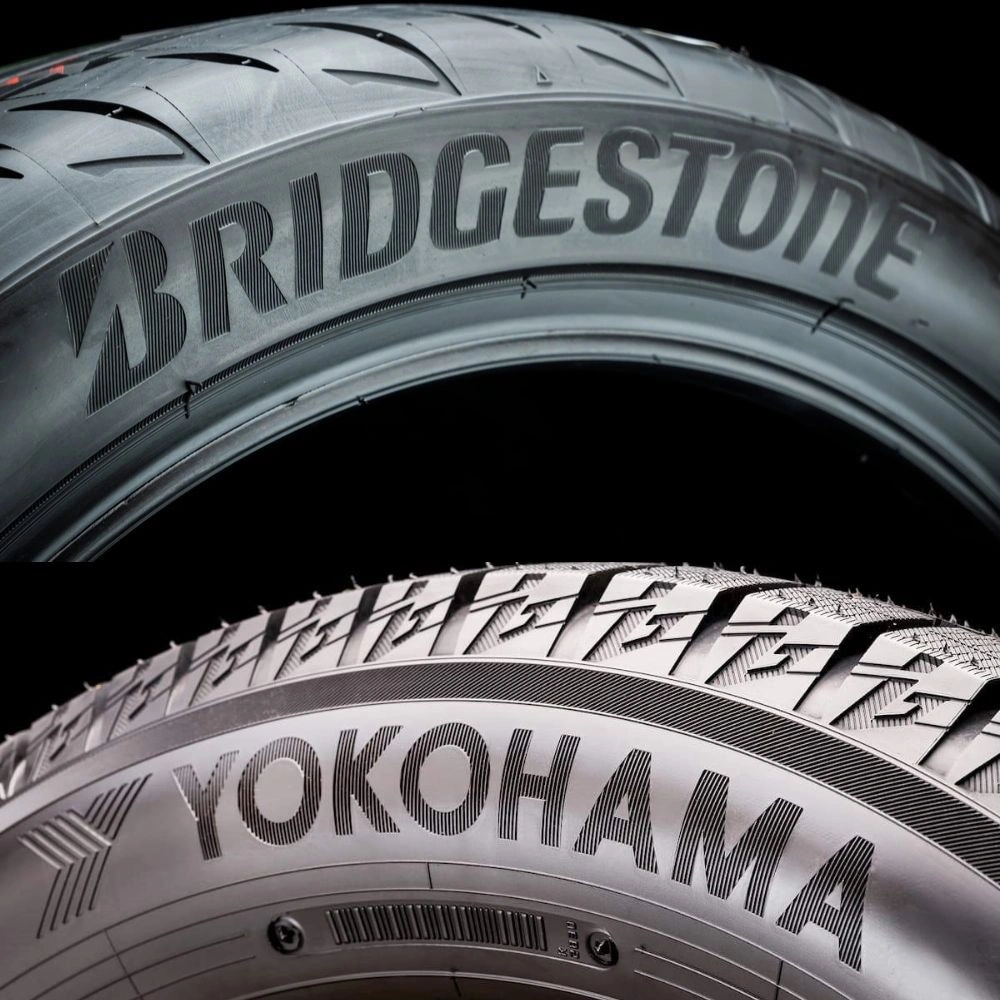
Bridgestone and Yokohama are important players in the tire-making industry. They both have a long history and a global reputation. They started at the lowest level of popularity and developed gradually, becoming well-known companies all around the world.
Bridgestone
Bridgestone was founded in Japan back in 1931 by Shojiro Ishibashi. It was named Ishibashi, a general translation of the phrase bridge made of stone. They started with pedal-powered bike tires and rapidly evolved to car tires and truck tires. Today, Bridgestone is one of the biggest tire producers at the global level, working with the latest technologies.
Yokohama
Yokohama was also founded in Japan, but way before Bridgestone. To be more specific, back in 1917, they started making rubber hoses. Only after a couple of tens of years, they started producing tires for different vehicles (cars, trucks, motorbikes, etc.). They became well-known for the quality and performance of their tires. This made them an important player within the global league of tire producers, helping them improve constantly.
Comparison between Yokohama and Bridgestone
Both Bridgestone and Yokohama produce excellent tires but have different strong points. Bridgestone is generally more long-lasting, focusing on a comfortable trip rather than sportiness. It creates tires that are less noisy and perform well under any weather conditions.
However, Yokohama focuses more on sportiness and maneuverability, especially under dry conditions (similar to race circuits). They usually offer a price-quality ratio that is significantly better and is more suitable for drivers who enjoy a more exciting and dynamic trip, rather than a family with three kids that only wants to get from point A to point B.
Therefore, choosing the right tires for your car depends very much on what exactly you are looking for: comfort & durability versus dynamic & high performance on the road.
Performance of Bridgestone and Yokohama tires
Bridgestone tires are well-known for their all-around responsiveness and low level of noise. Yokohama, on the other hand, goes for a more dynamic driving style, making cars feel more receptive and easy to control under complex circumstances. Therefore, both brands have both advantages and disadvantages, which we will cover in the upcoming sections.
Durability - Bridgestone vs Yokohama
When it comes to durability, it is especially important to understand how a hot climate (like the one in the United Arab Emirates) affects the tires. Bridgestone tires are generally known for being a long-lasting component. Yokohama tires, however, last for a similar period of time but are more prone to wearing off if they are used under high temperatures and aggressive braking techniques.
Price - Yokohama vs Bridgestone
In matters of pricing, both producers have tires for all budgets. Bridgestone usually costs a little bit more because of the emerging technologies they use during the manufacturing process. Yokohama offers a more affordable price-quality ratio thanks to its simplicity. They only aim to create adherence and braking power under high-speed and sharp curve conditions.
Customer Reviews - Bridgestone vs Yokohama
It is usually said you get what you pay for. This is also true in the tire-making industry. Both brands have generally positive reviews from customers all around the world. Of course, some customers might seem a bit unpleased but these are specific situations that have particular conditions.
Warranty of Bridgestone and Yokohama tires
When it comes to the producer warranty, tires usually do not come with a puncture warranty. Therefore, only manufacturer errors are covered within the warranty limits. Depending on your exact location, the terms and conditions of the contract might differ, but they generally cover everything that may happen on the producer’s end.
Bridgestone vs Yokohama - Which is Better?
To put everything in a nutshell, there is no such thing as one being better than another in the Bridgestone versus Yokohama battle. Each tire brand has its perks and drawbacks, so you have to think about what makes a tire good for you.
Generally speaking, if you are looking for comfort and durability, you should go for Bridgestone. On the other hand, if you are a more dynamic driver who wants to take that high-speed corner on the curved mountain road, Yokohama might be a better choice for you. In the end, it is always your preference.

Luxury cars brands we service