
How to Maintain Paint Protection Film (PPF)
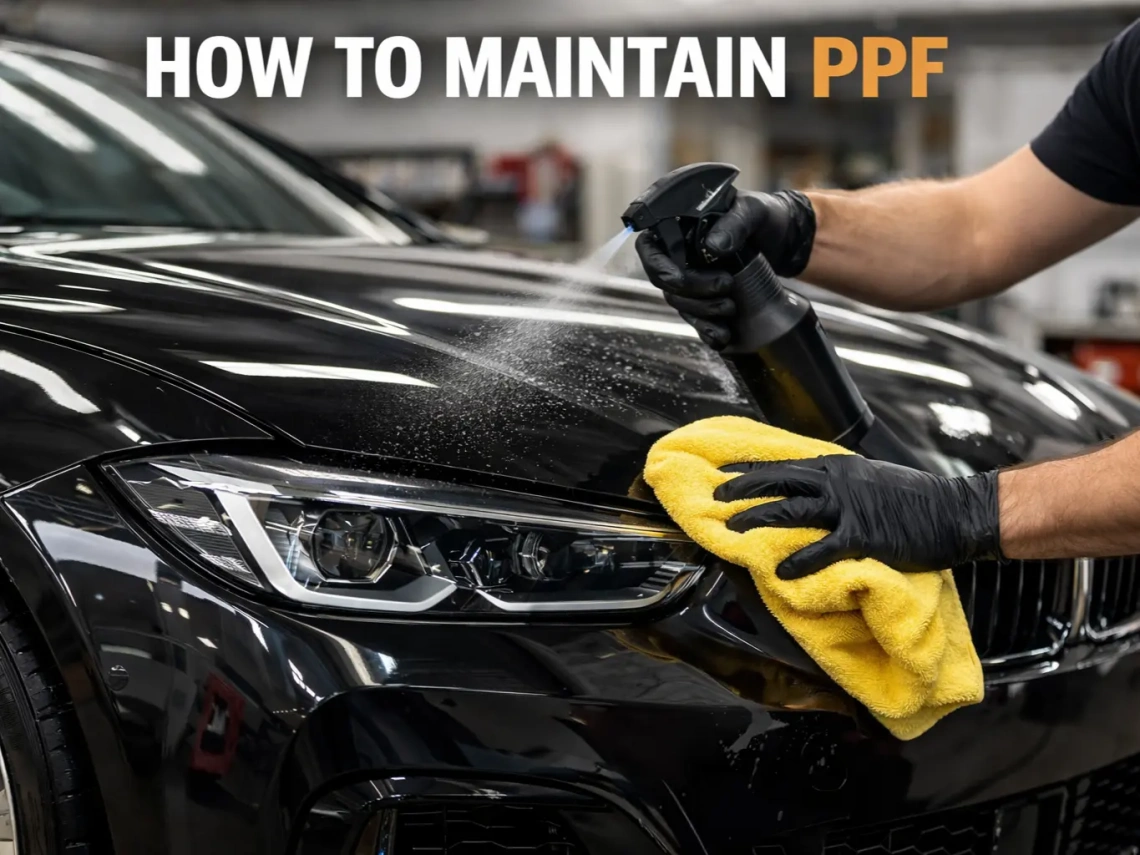
Paint Protection Film is built to take the hit - road grit, dust, and daily driving-but it still needs proper care to keep doing its job. With Dubai’s weather conditions (strong sun, heat, and airborne sand), maintenance isn’t just "nice to have": it’s what helps PPF stay clear, tight on the edges, and looking fresh. The payoff is simple: better longevity, better clarity, and the same reliable protection you installed it for. In this guide, we’ll walk through safe cleaning routines, smart washing techniques, what to avoid, quick inspection habits, and the tools that make PPF maintenance easy.
How to Care for PPF After Application
The first days and weeks matter because the film is still settling and bonding. Keep contact light, avoid extra rubbing, and don’t pick at edges. Build simple habits that protect clarity and adhesion: park in the shade whenever possible, rinse dust before touching the surface, and treat your clear bra like fresh work that needs a little time to stabilize.
Regular Cleaning Steps
PPF offers strong daily protection, but it stays clearer with gentle, consistent washing. Use pH-neutral soap, a soft mitt, and clean microfiber on the entire car. Avoid using harsh chemicals like bug remover unless the product is PPF-safe, and rinse immediately so grime doesn’t bake onto the film, and wipe with a cloth so water spots and swirl marks are not in question.
Regular Inspection Practices
Do a quick weekly check (an issues address scan): look for lifting edges, stains, or contamination trapped near seams. Catching it early prevents bigger fixes later.
Attention to Environmental Factors
Sun and heat can set marks fast, while sap, bird droppings, and hard water leave spots if they sit. Remove contaminants quickly: rinse, soften, then gently wipe - never scrub dry the swirl marks. If it won’t lift easily, stop and get help to protect the film. Maybe a ceramic coating will be needed.
What to Do During the First 7 Days
Curing time matters because protection films like ceramic coating need a short window to bond and settle on the paint. During this week, you may notice small bubbles or a light “haze” from moisture venting out - this is usually part of the process, not a failure. Good car care here is simple: give the film time so it can reach optimal condition and help maintain that crisp, clear finish long-term.
Allow the Film to Fully Settle
For the first week, let the film do its thing. If you notice a bit of haze or a few tiny bubbles, don’t poke at them - and don’t try to “smooth” them out with your fingers. It’s almost always the fastest way to turn a small, temporary issue into a stubborn-looking spot. Also, skip spray shine products, including quick detailer, unless your installer has OK’d it for fresh film.
Avoid Washing or Using Chemicals
Hold off on the first proper wash or car washing for about a week (or follow your installer’s timing). Early washing adds friction and moisture right when the adhesive is still stabilizing. And avoid high pressure water - especially aimed at seams or edges - because that’s where lifting can start. If the car gets dusty, a light rinse is fine; then let it air-dry or pat dry carefully with clean microfiber, but don't press with a wash mitt.
Wash Guidelines for Long-Term PPF Care
Treat paint protection films like a perfectly tailored suit: routine beats “big clean-ups.” Do car washing every 1–2 weeks, and sooner after dusty days. Avoid heat - no washing on a hot panel, under direct sun, or right after a long drive. For swirl control, flood-rinse first, glide the mitt (don’t scrub), then dry immediately with a clean microfiber drying towel in straight passes. Skip automatic car washes with brushes.
Use pH-Neutral Soap
Go with pH-neutral soap because it cleans without “fighting” the surface, so the clear coat and the film don’t get dulled or stressed over time. Tip: skip wax-containing shampoos unless your installer has confirmed they’re compatible with your film.
Employ a Two Buckets Method
One bucket for soap, one to rinse - less grit in your wash water, fewer micro-scratches. Add grit guards when you’re washing in heavy dust.
Rinse Frequently to Remove Debris
Before you even think about car shampoo, give the car a calm, thorough rinse - top down, with a wide fan spray, on a cool surface. Dust in Dubai is so fine it turns into sandpaper fast, so washing is avoided on a dry panel: rinse first, then touch the film.
This quick step also means you won’t be tempted to reach for abrasive cleaners just to get the surface “back to clean.”
Avoid Common PPF Care Mistakes
Most PPF problems come from rushed washing: wiping dust dry, blasting edges, or treating the film like bare paint. Do-NOT: scrub dry, “spot-clean” with random products, or polish blindly.
Avoid Harsh Chemicals
When a spot won’t come off quickly, it’s tempting to grab the strongest thing on the shelf - that’s usually where PPF or the ceramic coating gets hurt. Skip heavy degreasers, acidic wheel cleaner overspray, strong tar removers, and ammonia-based sprays. Using harsh chemicals can make the film look dull or patchy, cause discoloration, and over time, it can loosen the edges - that’s usually how lifting begins.
Avoid Excessive Pressure or Abrasive Materials
A pressure washer is fine for rinsing, but distance matters. Keep it sensible - roughly 1200–1800 PSI, and stay about 40–60 cm away, especially near seams and corners. And if you’re thinking of an abrasive sponge, don’t. The safer habit is simple: avoid water that’s aimed into edges, and let the rinse do the work before you touch the film.
Avoid Waxing or Polishing Certain Films
Gloss films may accept PPF-safe wax; matte/satin usually don’t. If the film is ceramic coated, stick to that system. Polishing self-healing layers can dull the finish, so PPF continues to look less clear over time.
Use Proper Tools for Safe Maintenance
The right kit lets you wash the car gently and avoid “fixing” problems later. Soft microfiber, pH-neutral soap, and clean rinse water help PPF stay clear while it offers significant protection against rock chips.
Use Microfiber Cloths Only
Microfiber is the safer pick because it’s soft and it tends to hold grit inside the fibers, instead of dragging it across the film like a regular towel. After a wash, to avoid water spots, rinse the cloth well. Then wash it separately in warm water with mild detergent. Make sure you skip fabric softener. It leaves residue, and the cloth stops working the way it should.
Use Non-Abrasive Cleaning Solutions
Go with PPF-safe or pH-neutral cleaners. Look at the label first: it should clearly say it’s safe for PPF. And if there’s a chance it’ll get on the glass, choose something that’s also safe for window tinting - it saves you from streaks, haze, and extra wiping.
Tips for Edge Protection and Environmental Safety
Edges are the weak spot: that’s where dust, water, and grime try to work their way under the film. Good maintenance ppf keeps edges clean and helps the adhesive stay strong, so your car looking sharp doesn’t turn into a constant touch-up.
Protect PPF Edges from Lifting
Rinse top-down and avoid spraying “into” seams. When drying, wipe away from edges in straight passes. Contaminants left along seams act like grit and slowly pry edges up - so clean them early.
Minimize UV and Contaminant Exposure
If you can, park under cover - it keeps dust off and takes the edge off the heat. Try not to leave the car in direct sunlight right after a drive when panels are still hot; that’s when spots and marks set fast. For extra protection, choose a PPF-safe spray that’s clearly non-silicone and non-acidic, and steer clear of greasy “shine” dressings that attract dust.
Schedule Regular PPF Inspections
A quick check now and then keeps your protective film doing its job: staying clear, sitting tight on edges, and taking daily hits from road debris. In the Dubai heat, tiny problems don’t stay tiny for long.
A professional inspection usually looks at seams and corners, checks for trapped dirt, and pays extra attention to impact zones like the front bumper.
Identify Early Signs of Wear
Look for yellowing, small bubbles, stretch marks, or stains. Catch them early and you often avoid replacing sections later. Your new car finish keeps that clean, “just-detailed” look.
Plan Maintenance Intervals
Do a weekly glance yourself, and book a pro check every 3–6 months. Go in sooner if stains stick, edges lift, or the film turns hazy.
Conclusion
PPF doesn’t need complicated care - it needs consistent care. Gentle washing, regular checks, and simple cleaning habits keep the film clear and help it hold on tight, so its protective properties stay reliable. A quick rinse before you touch the surface, the bucket method, and wiping fresh spots after strong sun exposure go a long way. If you’re thinking about applying PPF or your film shows wear and needs replacement, visit our detailing center for professional installation and maintenance.

Luxury cars brands we service