
Mass air flow sensor symptoms
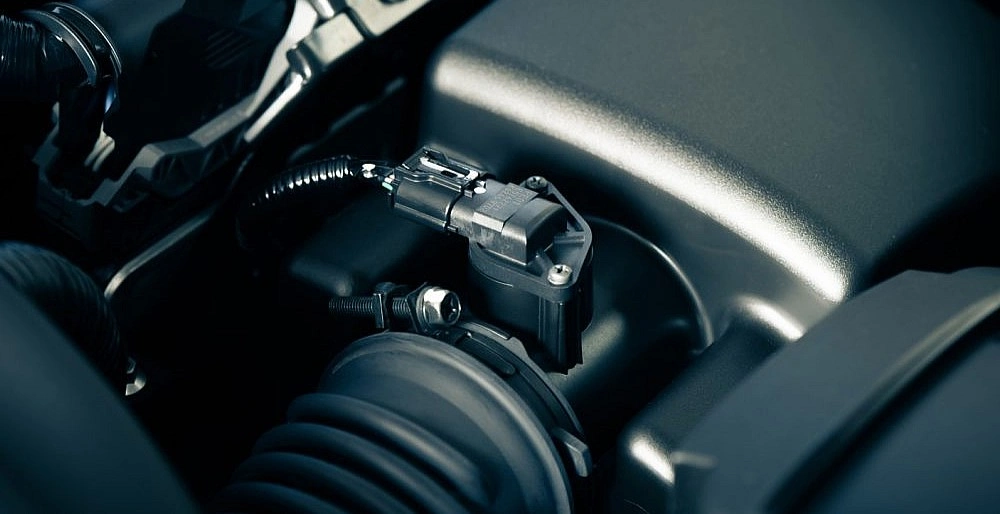
The Mass Air Flow (MAF) sensor is a vital component of a vehicle's engine system that measures the quantity of airflow into an engine inlet. The engine control unit uses the information to predict the right air-fuel mixture for proper combustion.
The MAF system is located near the air filter system because its main purpose is to measure the air that comes into the engine and communicate that to the ECM in a recognized format. This information it produces also helps the EMS regulate the fuel injection into the vehicle.
Signs of a Faulty Mass Air Flow Sensor
The quality of the air sensor, driving condition, maintenance, and environmental factors can all determine how long an MAF sensor will last. However, there is no sure-fire way of making it last forever. So, if the sensor develops a fault, you must know this in time to prevent it from causing more harm.
Below are some signs of a faulty MAF sensor:
Rough Idling
A defective MAF sensor can provide an erratic airflow signal to the ECM. This can result in fluctuating engine speed due to the wrong amount of fuel. Furthermore, it can cause the engine to stall while idling, preventing it from running smoothly.
Acceleration Trouble
A faulty MAF sensor can also cause inaccurate air-fuel injection, leading to hesitation and lag. This can prevent the car from responding smoothly to acceleration, causing the vehicle to jerk.
Reduced Fuel Efficiency
One major function of the MAF sensor is detecting the quantity of air mass that enters the engine and determining the proper air-fuel mixture for them. However, a faulty MAF sensor means the readings are inaccurate, making it difficult to predict the ideal air-fuel mixture for complete combustion.
Dark Exhaust Smoke
A defective MAF can cause poor combustion, fuel system problems, ignition system problems, and EMS problems. All of these can lead to the emission of contaminated and dark exhaust.
Causes of MAF Sensor Issues
Various things can cause an MAF sensor defect. Understanding these causes can help you detect, prevent, and resolve problems promptly. Some of the common causes of MAF sensor defects are:
- Deterioration of the sensor due to age and use
- Exposure to extreme situations over a while
- Faulty wires or damaged connectors
- Improper installation
- Accidents and physical damage to the sensor
- Poor quality or inferior air filters can allow contaminants to pass into the air sensor, making it malfunction.
Effects of Unresolved MAF Sensor Issues
The MAF sensor problem might seem like a light issue. However, leaving it unsorted can cause problems for your vehicle. As such, it is essential to resolve any MAF-related issues as soon as it is detected to avoid situations like:
- Reduced engine efficiency
- Increased fuel consumption
- Using a faulty MAF sensor for a long time can lead to engine damage
- There will be higher emissions of pollutants
- Contamination of engine coolants
- Gradual damage to engine parts
Diagnosis and Repair
Mass Air Flow sensor needs to be professionally diagnosed, even if you, as the car owner, can guess that's the source of the problem. Professional MAF fixers use diagnostic scanners to get codes and data related to the MAF issue. They also access the live data to assess the sensor's performance and determine the necessary fix.
However, the first solution to try is to clean the sensor with a specialized cleaner or isopropyl alcohol. When cleaning does not solve the issue, it is best to go to a professional to replace the MAF sensor.
Conclusion
A mass air flow sensor's role in ensuring your vehicle functions efficiently is huge. It is majorly responsible for the measurement and proper combustion of fuel. So, if you ever suspect a problem with your MAF sensor, don't hesitate to consult a professional to keep your vehicle running at its best.

Luxury cars brands we service