
How to Change a Car Battery
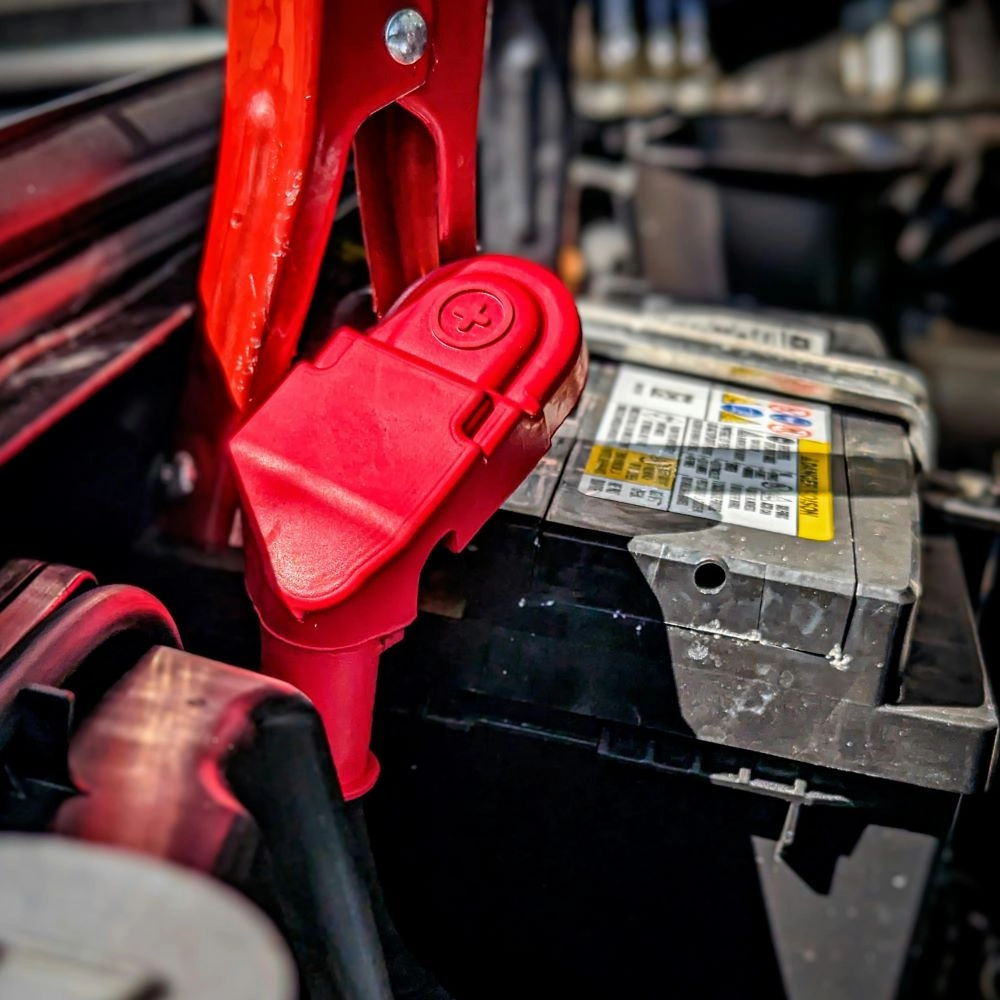
Even with the best care, car batteries can’t operate forever. The average lifespan of an automobile’s battery is between three and four years, depending on how often you drive. Although most car owners prefer professionals for car battery changes, a DIY procedure is relatively easy. It helps you save car maintenance costs while familiarizing yourself with your car’s electrical systems. This handy guide will enlighten you on how to change a car battery, the tools required, and warnings when performing the procedure.
Signs You Have a Problem with Your Car Battery
Your car will always show signs of a car battery replacement. One of the most common indications is when your car doesn’t start as usual. Here are other resourceful insights on car battery signs:
- Occasional jump starting: this indicates that your battery cannot hold a charge as required.
- Dashboard lights: a sudden change in your dashboard lights can be caused by an old car battery.
- Unusual smell of the battery: the sulfuric acid in batteries produces a foul odor when damaged or gets old.
- General electrical issues: car batteries support all electrical functions, and a dying battery may cause problems with door locks and electric seats.
Materials for Car battery replacement
- New battery
- Safety goggles
- Rubber gloves
- Clean rags
Tools for Car Battery Replacement
Necessary tools are required for a successful car battery replacement, as listed below:
- Wire brush
- Adjustable wrench
- Tester
- Terminal cleaning tool
- Locking pliers
Car Battery Replacement: Step By Step Guide
First, you need to test the battery before replacement to be certain your car needs a new one. After you are sure a replacement is the only option, these steps will help you in the procedure:
How to Remove the Old Car Battery?
Turn your car off before locating and removing the old battery. Most cars have batteries mounted on the front, while a few models have them in the trunk. Check the battery terminals with (+) and (–) signs for the positive and negative terminals. The best approach is disconnecting the negative terminal first by loosening the bolts using a wrench.
Do the same for the positive terminal and unclamp the battery from its holding tray. Maintain an upright position when lifting the old battery from its position to avoid contact with the liquid inside.
Inspect and Clean the Terminals
Old batteries may have corroded terminals, which is why cleaning is necessary. You can use a wire brush and battery cleaner to clean the terminals and the battery tray. Another great option is to use a mixture of two teaspoons of baking soda paste and a teaspoon of water. Steel wool is an additional material used to clean the most complicated corrosions.
How to Install the New Battery?
You need to lower the new battery gently on the holding tray and reposition the clamp that secures it. Ensure the battery is positioned similar to how it was on the previous one. The battery should also settle firmly, as any movements can be dangerous when driving.
How to Reconnect Battery Terminals?
Battery anti-corrosives like gels are needed on the terminals before reinstalling the cables. Remember to reconnect the positive cable first and secure it tightly to the bottom of the terminal. Do the same for the negative terminal. New batteries are fully charged, and you can hit the road after a successful car battery replacement.
Warnings
Besides the steps in the guide above, certain precautions are necessary for safety. They include:
- Follow the required terminal connections when removing and installing the new one
- Ensure the car is off when replacing the battery
- Allow the engine to cool off before removing the old battery
- Firmly position the battery in its position
- Have a second power source to avoid losing the car’s computer settings
- Test the old battery before removing it

Luxury cars brands we service