
How to Keep Your Gearbox in Top Condition
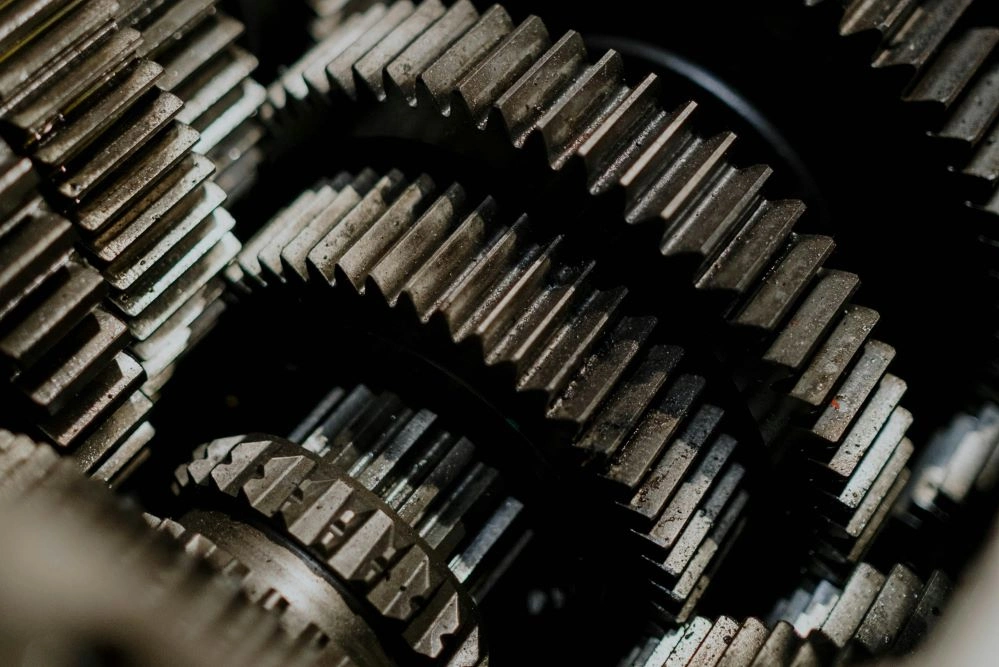
The gearbox is your vehicle’s spine. It gives crucial support for ensuring optimal performance in the vehicle. Unlike many people believe, the gearbox is not a part. It is a combination of components that make up a system. Essentially, the gearbox translates the engine’s power into motion, ensuring the smooth movement and functionality of the vehicle.
Since the gearbox has asserted its importance, it goes without saying that it must always be in a top condition. It functions as an intermediary between the engine and wheels, thereby ensuring driveability, power regulation, fuel efficiency, and engine protection.
While you must regularly service several parts of your vehicle at a trusted car repair station, keeping the gearbox in good quality is an obligation. You do not have to worry much about the right practices for keeping your gearbox in a secure condition; we have detailed them below.
Regular servicing
Servicing is preventive maintenance that helps ensure that your vehicle’s gearbox remains optimal. Regular servicing can enable you to detect issues before they blow out of proportion and address them promptly.
Don’t hesitate to take your automobile to a trusted nearby garage at the right time to get it serviced. This practice alone elongates your gearbox’ lifespan, ensuring safety and fuel efficiency.
Change the oil frequently
The usage and maintenance are a huge part of how the gearbox remains in a premium state. For instance, you must ensure the oil is properly and periodically changed to enable lubrication. It also helps reduce heat and remove contaminants.
If you don’t change the oil as and when due, it can cause build-ups in the gearbox. Remember, fresh gear oil is effective at lubricating without affecting the internal components of the gearbox system.
Keep the gearbox clean
Foreign matters like debris can affect the efficiency of your gearbox. They can cause build-ups, increase heat, and serve as an abrasive that damages the gearbox. So, clean it consistently to keep it well-functioning.
Thankfully, many auto care companies and car wash services offer gearbox cleaning. You can also clean it yourself, using a power washer or hose that uses pressure to remove heavy build-ups. You should be careful when doing a pressure cleaning to prevent damage. You can also use a degreaser to break down the oil and dirt build-up, making it easy to clean.
For the interior, a consistent fluid change will do the trick. If necessary, you should also use a transmission filter to ensure that the oil gets replaced without introducing foreign bodies into the gearbox.
Shift gears carefully
Gear shifting is a major part of gear operating; it is how you use the gear in the first place. However, you must be careful when shifting your vehicle’s gears to slow down damage. Other reasons to be careful with gear shifting include preventing gear slippage, improving performance, preventing overexertion on the gearbox and drivetrain, and enhancing driving comfort.
You must understand your vehicle’s gears properly to shift it correctly. For instance, you need to press the clutch pedal totally before shifting a manual gear. You must also understand and shift the gear at the appropriate engine RPM level. For automatic gears, you only need to let the transmission do its work and avoid manually overriding it.
Warm up your car
Warming up your car often doesn’t only keep the engine in top condition, but it also helps the gearbox remain good. It thins the oil, making it effective at lubricating. Car warming reduces the strain on the gearbox’s metal components and ensures smoother shifting.
Warming up your car is easy, and you only need a few minutes for it. Simply ensure you do not start accelerating right after putting on your car’s ignition. Instead, allow the engine to run idle for at least 30 seconds, and then begin driving slowly until the engine and gearbox reach the right operating temperature.
Check for transmission fluid leaks
A transmission fluid leak is an indicator of a problem with the gearbox. Apart from the transmission fluid’s function, which is mainly for lubrication, noticing its leak can also indicate underlying problems.
You do not need a car technician before checking if your transmission fluid leaks. You simply have to consistently check the fluid level to ensure it is at an optimum range. However, if you notice a drastic drop in the level or see reddish-brown leaks around or underneath your car, it can indicate a transmission fluid leak. You should confirm further by looking around the pan’s gasket.
Suppose you confirm transmission fluid leaks. Take your vehicle to a reputable nearby garage for a more permanent solution.
Try to keep your gearbox from overheating
Overheating is one of the things to pay attention to as a driver. It can break down transmission fluid, damage internal components, and reduce the gearbox’s lifespan, among other things.
Maintaining the right fluid level is the cheat code for avoiding overheating. Also, ensure you avoid using your vehicle for heavy towing. Drive gently and be attentive to signs of overheating, including slipping gears and a burning smell. Also, ensure your vehicle’s cooling system is working perfectly. Take your vehicle to a car repair expert if you notice any sign of overheating.
Do not overload the car
Overloading puts an extra strain on the car’s gearbox. It causes it to overheat, reduce fuel efficiency, and can eventually cause safety concerns from inefficient braking, handling, and overall stability. Therefore, you must consult your vehicle’s manual from the get-go to determine its load capacity.
Distribute weight evenly when carrying something. Also, ensure that you properly fasten the cargo to prevent it from shifting. Do not use your vehicle for loads that are beyond its capacity and consider alternatives instead.

Luxury cars brands we service