
Car Leaking Oil When Parked
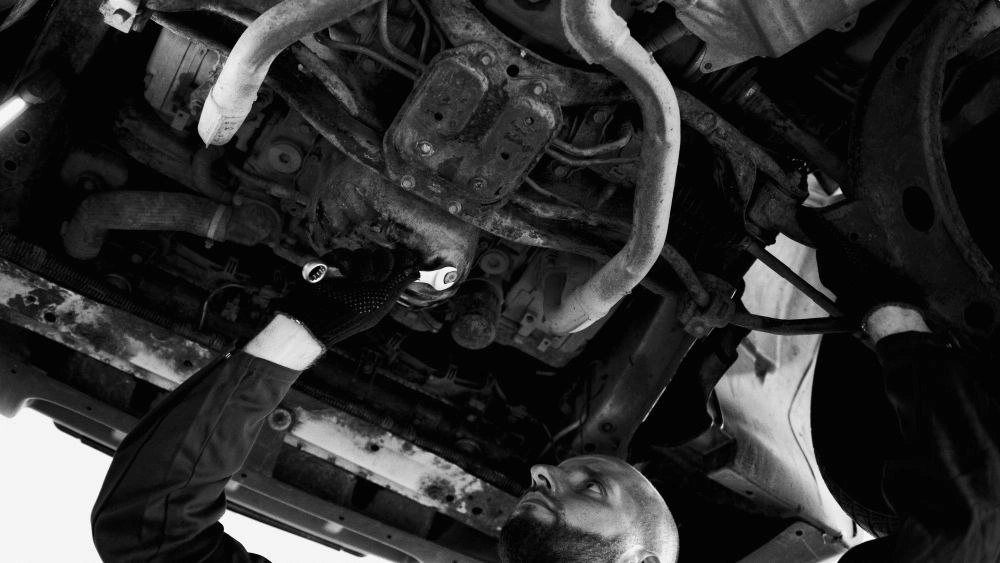
It is quite annoying and at times disturbing to find oil under the car when it is parked, especially in the UAE where heat can compound the problem. Although an oil stain may seem harmless at first, if left unattended it can lead to some major engine issues and costly repairs. To assist you in comprehending what may have caused your car to start leaking oil when parked, we have explained the most probable causes and solutions below.
Why Is My Car Leaking Oil When Parked?
Damaged Gaskets or Seals
Most often, oil leaks are caused by damaged gaskets or seals. These are the parts used to avoid oil leakages from the engine, but they can get weak or broken because of heat, pressure, or simply due to wearing out. When the gaskets or seals are damaged, the oil leak will most probably be located around the engine block or oil pan.
Missing or Damaged Filler Cap
This cap ensures that the opening through which oil is introduced into the engine is well sealed. If this cap is not installed properly, seems damaged, or just missing—oil can spill out. The vibrations from driving can make the oil spill out, then slowly leak when the car is parked. It is recommended to check frequently whether the filler cap is well sealed. A faulty or missing cap is cheap and easy to replace, so don’t put the service away.
Damaged Oil Pan
The oil pan is a small compartment that is located at the bottom of your engine. It is vulnerable to damage from any object on the road, bad roads, or even during maintenance. A damaged, dented, or cracked oil pan will cause oil to leak when the car is parked.
Faulty or Loose Oil Filter
The oil filter acts as a sieve, to ensure that the engine oil is without particles. Over time, the filter may get clogged or damaged, or maybe it was not installed properly during the last oil. When changing the oil, we recommend tightening the oil filter as specified by the manufacturer. It also helps to change the filter routinely, to avoid leaks that are a result of wear and tear.
Excessive Oil
When the oil level is elevated, it leads to the formation of pressure inside the engine, which in turn forces the oil to leak through the seals or vents. To check the oil level of your vehicle, use the dipstick and make sure that the level is between the marks stated in the gauge. It is quite easy to overfill the oil, which is why you should make sure that you follow the guidelines that come with the vehicle.
Faulty Rings or Valve Seals
The piston rings and the valve seals prevent oil from getting into the combustion chamber of the engine. When these components are damaged, or their functionality is compromised, oil may start to flow out of the engine, especially when the car is not in operation. This issue has other symptoms, which include blue smoke from the exhaust or low engine performance. When it comes to rings or valve seals, a professional mechanic will have to open the engine to fix this problem.
Bad Rear Main Seal
The rear main seal is a rubber seal that is fitted at the back of the engine, through which the crankshaft penetrates the engine block. When breached, this seal can lead to a lot of oil leakage. The repair of a rear main seal is a difficult process, as it requires the removal of the transmission. However, this problem should be addressed as quickly as possible, to avoid other complications.
Worn Crankshaft and Camshaft Seals
Seals around the crankshaft and camshaft prevent the oil from leaking within the engine compartment. When these seals wear out, oil may seep out from the front or the rear of the engine. It is crucial to change the seals in a timely manner, to prevent other problems that may occur in the engine.
PCV Valve Problems
The Positive Crankcase Ventilation (PCV) valve is part of the emission system and it also plays a role in maintaining pressure in the engine. When the PCV valve is blocked or has an issue, pressure builds up and oil starts seeping through the seals or gaskets. This is rather simple to replace, preventing oil leakages as well as damage to the engine.
How To Detect a Car Oil Leak
If you notice an oil leak, it is advisable to fix it as early as possible to avoid incurring additional costs. Here are some steps to identify a leak:
-
Inspect the ground
Look for puddles or stains under your car while it is parked. Fresh oil is usually brown or amber, old oil may appear dark or black.
-
Check the engine area
Pop the hood and look for visible oil stains or pooling around the engine or oil pan.
-
Monitor the oil level
If your car’s oil level drops faster than usual, it is likely a sign of a leak.
-
Smell for burning oil
If oil drips onto hot engine components, it will produce a burning smell.
Prevent and Fix Oil Leaks When a Car Is Parked
Keeping oil at the correct level is essential for avoiding leaks when a car is stationary. Overfilled reservoirs increase pressure, causing seals to deteriorate and fail. Regularly inspect engine, transmission, and differential areas for signs of leakage, as oil often collects or trickles down from these components. The residual oil left during filter changes may create temporary drips, which should stop as the excess dissipates. Persistent leaks may indicate damaged seals or gaskets requiring attention. When in doubt about the origin of the problem, professional mechanics possess the tools and expertise to pinpoint issues and recommend effective repairs. Regular maintenance and careful observation ensure your vehicle stays leak-free while parked.

Luxury cars brands we service