
Can You Polish Paint Protection Film (PPF)
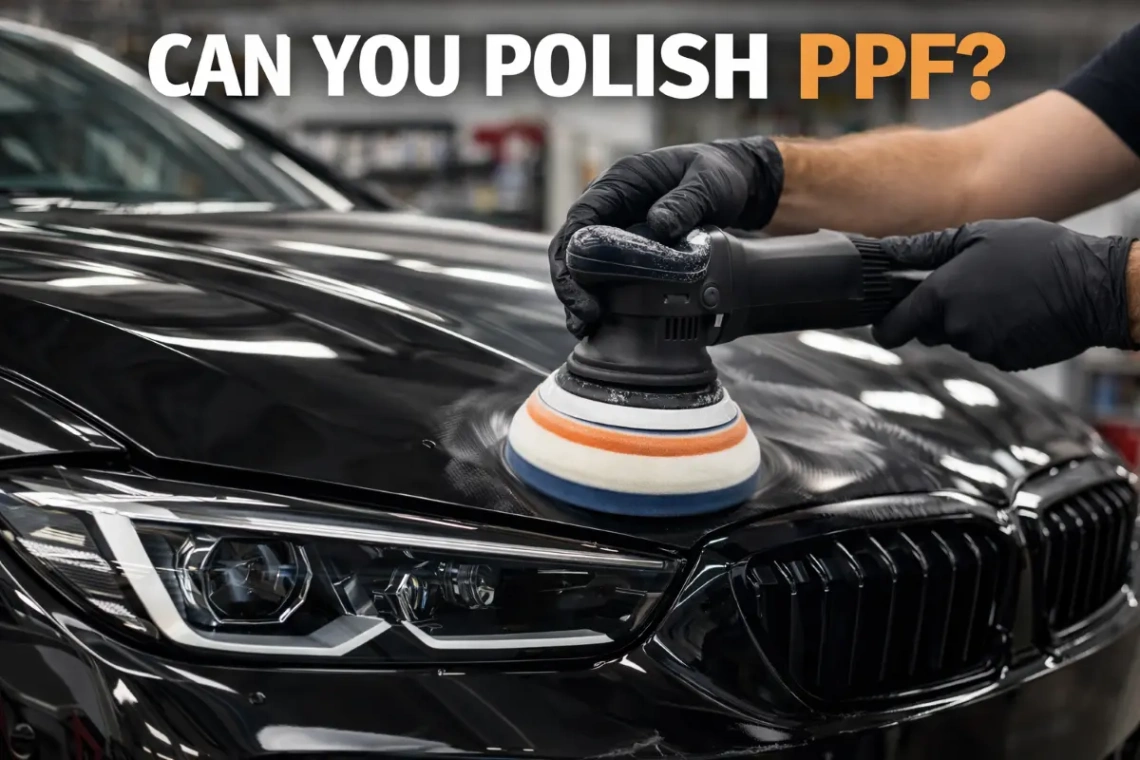
Yes, you can polish PPF under controlled conditions. Polishing PPF is not the same as polishing regular paint. The process requires different tools and a lighter touch overall. This article covers polishing methods that work on the protective film. You'll learn which products are safe to use on PPF. You'll also understand how self-healing films respond to polishing techniques today. The information here will help you avoid damaging your PPF.
What Is Paint Protection Film (PPF)
PPF is a clear thermoplastic urethane layer applied directly. People also call it PPF or a clear bra product. The film protects your car's paint from stone chips. It effectively blocks scratches from branches and shopping carts. UV rays cannot damage the paint underneath the protection film. Road contamination like tar and bug acids stays on top.
PPF creates a barrier between hazards and your paint. Thermoplastic urethane is a flexible plastic that stays clear for years. This material can stretch slightly when installers apply it around curves. The film bonds to your paint using a strong adhesive layer. PPF looks invisible when installed correctly on most vehicles.
The material is softer than automotive paint or vinyl wraps. Paint has a hard, clear coat that resists scratching better. The film has a thinner top layer than traditional paint jobs. This makes it more sensitive to heat during any polishing. Abrasion from rough pads can damage the film's surface. Vinyl wraps are stiffer, while PPF flexes with impacts instead of cracking as some vinyl does.
Finish Variations of PPF
PPF comes in gloss and matte finish options for vehicles. Gloss film can handle light polishing better than matte versions. The shiny surface hides minor imperfections more easily than matte film. Matte PPF should never be polished at all. The texture will turn shiny and ruin the intended look. Polishing matte film destroys the special finish it was designed with.
Understanding these differences helps you care for the protective film properly. Each type of PPF requires its own maintenance approach. Auto detailing work changes completely depending on your film's finish type.
Can You Polish PPF
Polishing PPF is possible, but it comes with strict limits. Light swirls on the surface can sometimes be removed carefully. After years, oxidation may appear on older films. Surface contamination can dull or haze the film.
These issues might improve with the right polishing approach. However, removing too much material creates a permanent haze on film. The top coat is thin and easy to burn through. Edge damage happens when polish catches on lifted or cut areas.
Many manufacturers warn against polishing their PPF entirely. Some warranties become void if you polish the protective film. So, always check your warranty terms before starting any polishing work. Start with the least aggressive method available for PPF. A clean polish compound works better than heavy cutting products.
Test a small hidden area before polishing the entire surface. Polishing paint should be your last option after gentler methods. Consider whether the improvement justifies the risk to your film. Professional installers often recommend against DIY polishing of protection film. The finish without damage matters more than removing minor imperfections.
Which Polishes Are Suitable for PPF
Safe polishes for paint protection film PPF contain very fine abrasives. These abrasives break down during use instead of staying aggressive. Diminishing abrasives reduces the risk of cutting through the film. The polish must be completely free of silicone additives. Silicone can create hazing that you cannot remove later. Solvent-free formulas protect the film from chemical damage over time.
Additionally, hand polishing works best for small areas with minor issues. Machine polishing covers larger surfaces but requires more skill overall. You need a dual-action polisher set to low speed. Rotary buffers generate too much heat for protective film surfaces.
Soft foam pads are the only safe choice for polishing. Black finishing pads or white polishing pads work without damage. You should avoid microfiber and wool. Microfiber cutting pads will scratch through the top coat quickly. Wool pads are far too aggressive for any protection film.
Aggressive compounds designed for paint will destroy your film. Heavy cutting compounds remove material faster than PPF can handle. The right products make polishing possible without major risks. Always choose products labeled safe for clear protective films specifically. Regular car polish might work on paint, but ruins film.
How to Polish a Car With PPF
First, use pH-neutral car shampoo to clean the whole car. In this way, all grime and dirt that might scratch the surface is removed. Rinse the surface well and let it dry totally before moving on. To test your polishing skills, find a small hidden spot. Apply a tiny amount of polish to your pad first. Work the test area gently and check the results carefully. This tells you if the method works without risking visibility.
Set your polisher to the lowest speed setting available today. Apply minimal pressure and let the machine do the work. Too much pressure creates heat that damages the film. Keep the pad moving constantly across the surface without stopping. Stopping in one spot generates heat that melts the film.
Tape off all edges where the film meets bare paint. This prevents the pad from catching and lifting the edge. Use the polishing off technique by working away from the edges. Polish residue soon dries and becomes harder to remove. Right after polishing, wipe the edges with a neat microfiber towel. Your finish without major defects should look better but not perfect.
Can You Polish Self-Healing PPF
Self-healing PPF uses special polymers in its top layer. Heat from the sun or warm water activates these polymers. The material flows back together and closes up minor damage. Faint swirls disappear on their own within hours or days.
Polishing paint protection film PPF does not break this self-healing ability. You just need to avoid removing too much material overall. The self-healing layer sits at the very top of the film. Gentle polishing keeps this layer mostly intact after the work. Heat-based self-healing works differently from mechanical polishing of the film. Self-healing happens automatically when the sun warms the surface up.
Polishing film requires manual work with pads and chemical compounds. Self-healing fixes scratches that only go into the top layer. Deep scratches through the film cannot heal themselves at all. Oxidation turns the film yellow, and self-healing does nothing here. Surface contamination, like tree sap, also needs polishing to remove.
Use the mildest polish possible to keep self-healing properties working. Heavy polishing removes the layer that gives your film healing. PPF loses its best feature when you cut too deeply.
PPF Maintenance Tips
Without proper maintenance, PPF won't last a long time. Pay attention to the tips below to maintain PPF:
-
Regular gentle washing: Using a gentle car shampoo, wash your car every two weeks. Use the two-bucket method to avoid scratching the film. Soft microfiber wash mitts work better than brushes or sponges. Never take your car through automatic brush washes with PPF.
-
Immediate removal of contaminants: Remove bird droppings and bug spatter within 24 hours. Tree sap hardens quickly, making removal tougher. Use a dedicated bug and tar remover safe for films.
-
Frequent inspection of edges: Check the edges of your PPF every month carefully. Lifting edges lets dirt underneath and causes bigger problems fast. Push down any lifting sections and consider professional reinstallation if needed.
Prevention saves you from needing to polish paint later on. Parking in the shade protects the film from UV damage daily. A high gloss spray sealant adds extra protection every few months. Stop working on the film yourself if hazing appears anywhere.
Professional installers have better tools for fixing damaged protection film. They know how much material can safely be removed overall. Your film should last five to ten years with care. Polishing should only happen once or twice during that time.

Luxury cars brands we service