
Dashboard Light Troubleshooting
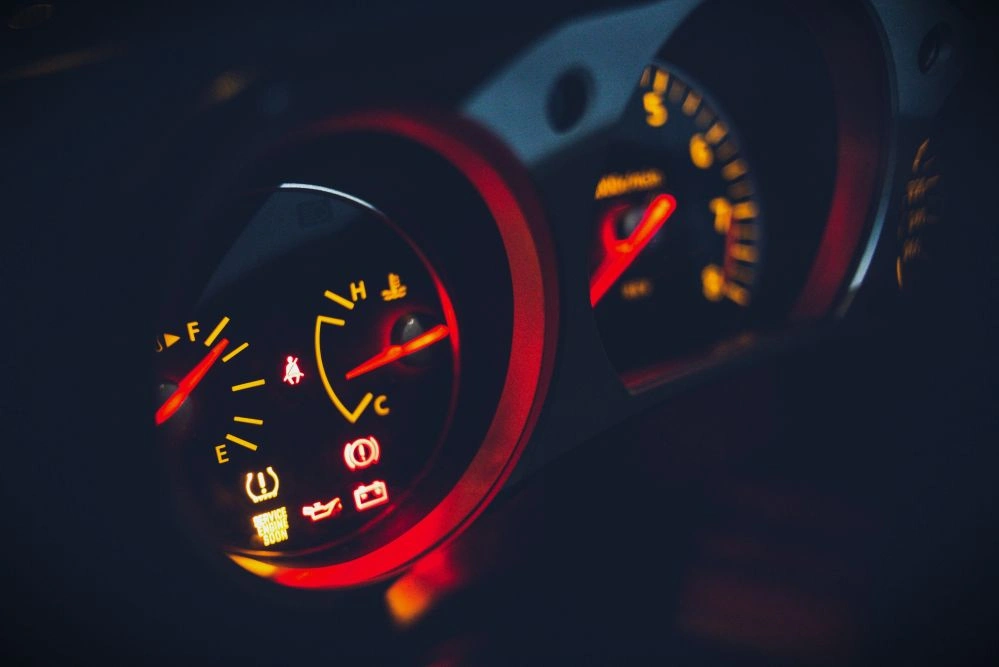
Even a short drive can be difficult with dim dashboard lights. Seeing your speed, fuel gauge, and warning lights may become difficult. This is dangerous, particularly during the night or in bad weather.
Dashboard lights are designed to help, not hinder. You begin to look down at the dashboard instead of the road when the lights become dim or black. So, ignoring that could have serious consequences. Fortunately, the main reasons for most problems are not hard to detect. Learn how to troubleshoot dashboard light issues using this guide.
Why Are My Dashboard Lights Too Dim?
Dim dashboard lights may be caused by the dimmer switch. Most cars have dimmer switches or buttons near the steering wheel. These knobs adjust dashboard light intensity. You may have bumped or touched them. You can dim the lights to a lower level than you prefer. Some cars use a left- or right-turning dial. Others make use of little buttons that go up and down. No matter the design, the effect is the same.
Locating and adjusting the light switch is the initial step. Gently turn it to see if the light level changes. If nothing happens, the switch itself might be faulty. It might then require fixing or replacement.
A blown fuse may also be to blame. Usually, the fuse protects all vehicle electrical components. If one breaks, dashboard lights won't get power. Check your car's manual for the fuse box. If the dashboard light fuse needs replacing, do that at a car service station.
What Causes Partially Dark Dashboard Lights?
It is common for older vehicles to have partially dark dashboard lights. That’s because of the way the dash lights were built in the past. To light up the instrument panel, older vehicles use tiny bulbs. These lights sit behind the engine gauge, fuel gauge, and speedometer. The area it lights will go dark as soon as one of them burns out. The rest of the dashboard stays lit, which makes the problem easy to spot.
However, modern cars operate differently. Current dashboards frequently employ standalone LED lights. LEDs are durable, bright, and reliable. The full section rarely goes dark because each LED illuminates a tiny area. If it does, a damaged circuit or faulty wiring might be to blame.
Meanwhile, in older models, a burned-out bulb is usually the cause. Replacing the bulb often resolves the issue right away. However, replacing the bulb is not as simple as you may think. For the best service, take your car to an auto care service. Dealerships like EasyCare can expertly replace this light and have your vehicle running smoothly. Usually, the fix is easy, fast, and cheap.
How to Fix Flickering Dashboard Lights
Flickering dashboard lights may indicate a serious issue. It’s a warning sign of an unstable electrical system. Alternator failure is the leading cause. Your car's electrical systems rely on this component. While the engine is running, it also charges the battery.
An unstable current supply occurs when the alternator starts to fail. The result is that your dashboard lights will flicker as you drive. You may also notice other warning signs. These include dim headlights, weak power windows, or slow-starting electronics.
This issue will not resolve itself. Things can worsen rapidly. Your battery will not be able to recharge if the alternator entirely stops working. The vehicle might eventually stop starting altogether. When the spark stops flowing, the engine might cut out in the middle of a drive.
Seeking immediate assistance at a service center is highly recommended. EasyCare expert mechanics can check the voltage and performance of the alternator. If it's malfunctioning, they'll get a new one before anything worse happens.
What to Do If Dashboard Lights Are Dead?
You shouldn't freak out if your dashboard lights stop working. Total failure might look serious, but it’s often easy to fix. Here’s what you can do if your dashboard lights are dead:
Check the Dimmer Switch and Fuses
Start with the dimmer switch. It may be set too low or stuck. Adjust it carefully and watch the lights. It could be that a fuse has blown if nothing happens. The fuse protects the electrical components in your car. So, if it breaks, you won't be able to power on your dashboard. Check your car manual to find the right fuse. If necessary, replace it and check the lights once more.
Replace Faulty LEDs or Address Wiring Issues
One of your car's LEDs can fail. LEDs can break despite not lighting up like incandescent bulbs. If it malfunctions, the dashboard may go completely black. Also, damaged wires or loose connections may interrupt power. In that case, it's clear that the wiring requires fixing. To be safe, have a mechanic look for brakes or shorts. EasyCare car garage is at your service!
Secure Connectors and Stabilize Voltage
Dash lights can lose power due to loose connections. Over time, they could become loose due to vibrations caused by driving. Reconnecting them firmly can fix the issue. Voltage issues can also affect the lighting. If the power source is weak or unstable, the system might turn off. In that case, the issue may be linked back to the alternator or battery.
Reset Cluster or Investigate Battery Drain
It may be necessary to reset the instrument cluster on occasion. You might find that turning off and starting the car helps. If that doesn't work, try taking the battery out for a short while. After reattaching it, check the lights once more. If your battery keeps dying, there may be a drain. Power could be gradually cut off by an unseen electrical problem. A mechanic can diagnose the problem by conducting tests.

Luxury cars brands we service